Why Regular Sidewalk Cleaning Is a Legal Necessity
Slip and fall incidents create one of the most common liability risks for commercial property owners in Ontario.
Although winter ice gets most of the attention, many incidents happen during warmer months because contaminants collect on walking surfaces. Oil residue, algae, mold, grease, dirt buildup, and organic debris can reduce traction and create hazardous conditions around commercial properties.
For property managers, regular sidewalk and walkway cleaning is not simply cosmetic. Instead, it helps maintain safer premises and reduce liability exposure.
Understanding Slip Hazards on Commercial Properties
Commercial sidewalks and pedestrian areas collect contaminants throughout the year.
Common hazards include:
- Algae and mold growth in shaded areas
- Oil and fluid residue near parking lots
- Grease transfer near restaurant service zones
- Dirt and debris accumulation
- Organic buildup from leaves and standing moisture
Over time, these materials create a thin surface film that reduces traction, especially during rain or humid conditions. As a result, walkways can become hazardous without regular cleaning.
In high-traffic commercial environments, this creates a serious safety concern.
Why Ontario’s Climate Increases the Risk
Ontario’s climate creates ideal conditions for surface contamination.
Across Toronto and the GTA, freeze-thaw cycles, heavy rainfall, humidity, and long winters contribute to:
- Moisture retention in porous concrete
- Faster algae growth
- Surface deterioration
- Increased slipperiness after rainfall
Shaded walkways, north-facing entrances, and poorly drained areas face higher risk. In many cases, these areas stay damp longer than open surfaces exposed to direct sunlight.
Without routine cleaning, these conditions worsen over time. Eventually, surfaces that look acceptable from a distance can become slippery underfoot.
The Legal Responsibility of Property Owners
Under the Occupiers’ Liability Act (Ontario)¹, property owners and occupiers must take reasonable care to keep people reasonably safe while they are on the premises.
This applies to:
- Retail plazas
- Office buildings
- Industrial properties
- Restaurants
- Condominiums
- Schools and institutional facilities
In practice, property managers should identify and address hazards before they create avoidable risks. Therefore, cleaning and inspection should be part of regular maintenance, not a reaction after someone reports a problem.
If owners fail to address known hazards, or hazards they should have reasonably identified, they may increase their exposure to liability claims. At the same time, regular maintenance and documented cleaning schedules help demonstrate due diligence.
Common High-Risk Areas on Commercial Properties
Certain areas carry higher slip-and-fall risk because they receive more traffic, moisture, or surface contamination.
Entrances and Walkways
Heavy pedestrian traffic brings moisture, grit, and contaminants onto walking surfaces. As a result, entrances often become problem areas during wet weather.
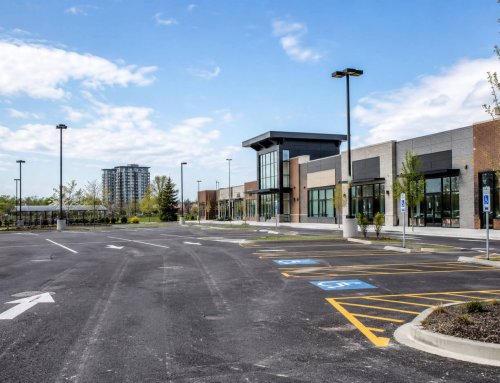
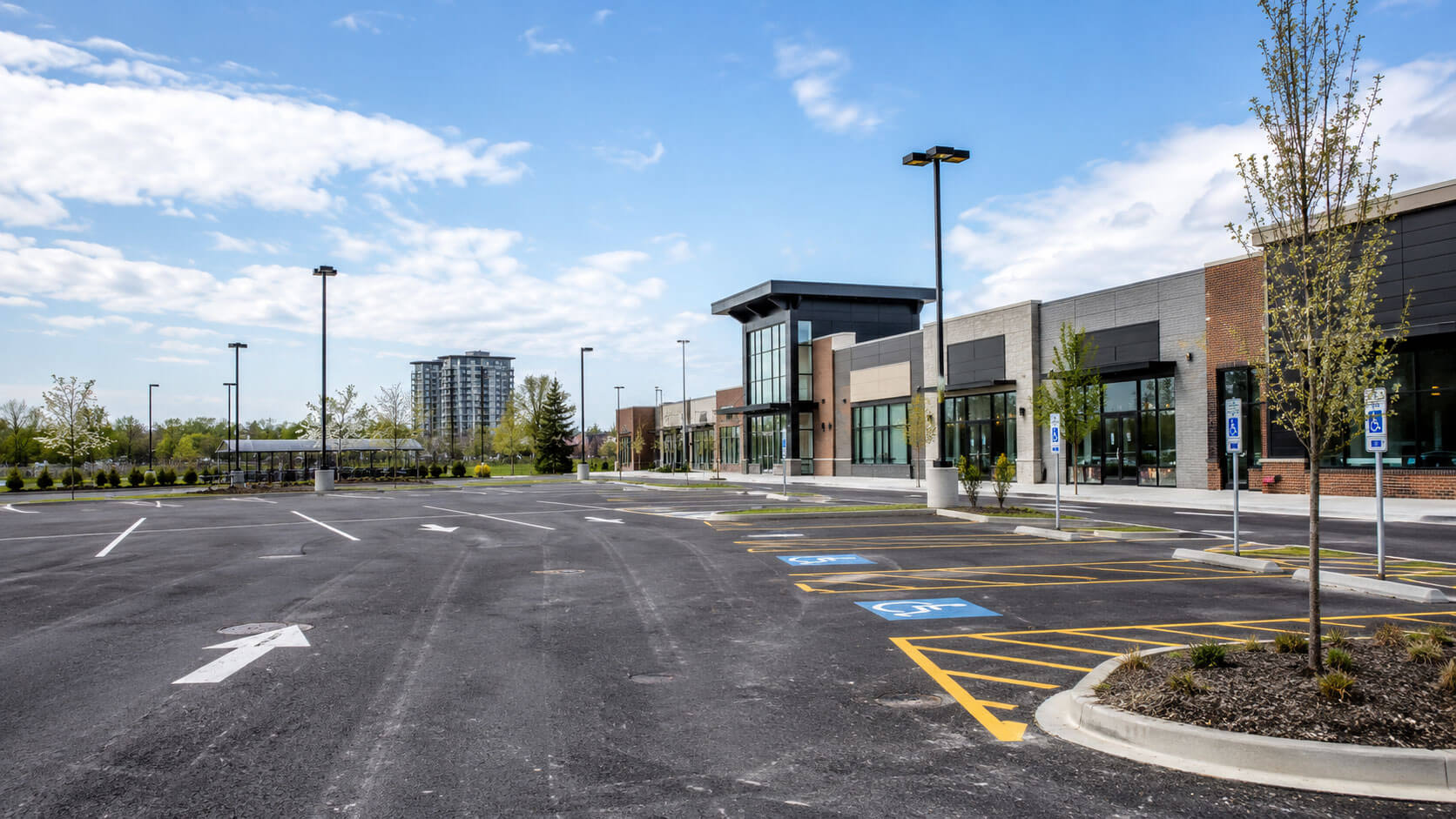
Parking Lot Pedestrian Routes
Oil residue and vehicle runoff often collect near curbs, crossings, and pedestrian paths. In addition, dirty surfaces can make painted markings harder to see.
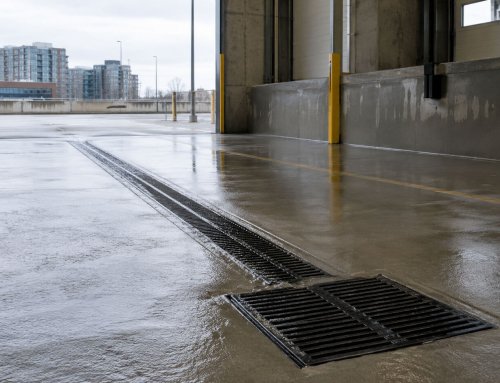
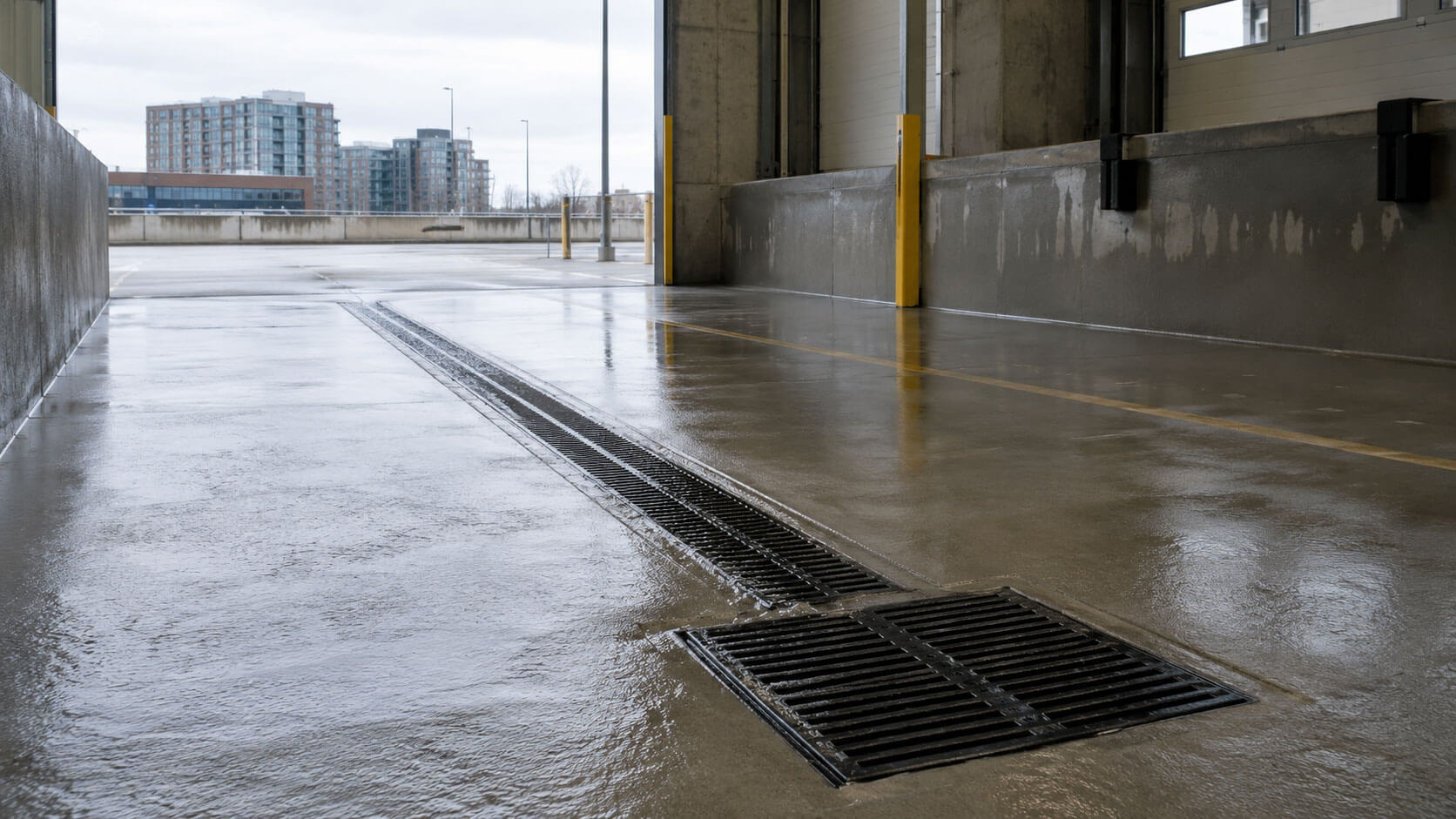
Loading Docks and Service Corridors
Grease, water, and debris create low-traction conditions. Because staff, vendors, and delivery drivers often use these areas, property managers should inspect them regularly.
Dumpster and Waste Areas
Organic waste and standing moisture encourage algae growth. Over time, these areas can develop odors, stains, and slippery surface films.
Shaded Sidewalks
Limited sunlight slows drying and increases mold and algae buildup. For this reason, shaded areas often need more frequent attention than open walkways.
Why Surface Contaminants Are Often Overlooked
Many hazardous surfaces do not look dangerous at first glance. However, embedded algae and organic residue can still reduce traction.
A sidewalk may look clean while still holding:
- Embedded algae
- Thin grease films
- Fine organic residue
During wet conditions, these invisible layers can become slippery. Because of this, visual inspections alone may not catch every risk.
Routine pressure washing removes contaminants that sweeping and rainfall cannot. In addition, it helps restore safer walking conditions around high-traffic areas.
How Commercial Sidewalk Cleaning Reduces Liability Risk
Professional cleaning helps restore surface traction and remove hazardous buildup before incidents occur.
It can help:
- Remove slippery organic growth
- Improve pedestrian safety
- Support better drainage
- Reduce long-term surface deterioration
- Improve visibility of painted safety markings
For commercial properties, preventative maintenance works better than reacting after an incident. In addition, scheduled cleaning helps property managers organize maintenance across larger sites.
Documentation and Due Diligence Matter
In liability-related situations, maintenance records matter.
A structured cleaning and inspection schedule helps show that:
- Staff monitor hazards
- Maintenance happens regularly
- Property managers take reasonable care
For larger commercial properties, this often becomes part of a broader risk management strategy. As a result, documentation can matter as much as the cleaning itself.
When Should Commercial Sidewalks Be Cleaned?
Cleaning frequency depends on several factors, including:
- Foot traffic
- Tree coverage
- Moisture exposure
- Nearby restaurant or waste activity
Typical recommendations include:
- Spring post-winter cleanup
- Mid-summer maintenance
- Fall organic debris removal
- Additional cleaning for high-risk areas as needed
Properties with shaded walkways or food-service operations often require more frequent maintenance. Meanwhile, sites with heavy pedestrian traffic may need scheduled cleaning instead of occasional cleaning when surfaces look dirty.
Supporting Safer Commercial Properties
Clean walkways do more than improve appearance.
They help:
- Reduce accident risk
- Support safer pedestrian movement
- Protect tenants and visitors
- Reduce liability exposure
For Ontario property managers, sidewalk cleaning should be viewed as preventative maintenance. It should not be treated as optional cleanup.
Final Thoughts
Slip hazards develop gradually, often without obvious warning signs. However, once contaminants build up, they can create serious risk during rain, humidity, or heavy pedestrian use.
Routine commercial sidewalk cleaning helps remove contaminants, improve traction, and support safer conditions across commercial properties.
Royal Wash provides commercial pressure washing services across Ontario, helping property managers maintain cleaner, safer pedestrian areas throughout the year.
Request a Commercial Sidewalk Cleaning Assessment
¹ Occupiers’ Liability Act, R.S.O. 1990, c. O.2 – Requires property owners and occupiers to take reasonable care to ensure persons entering the premises are reasonably safe.