The Truth About “Flushable” Wipes in Commercial Buildings
“Flushable” wipes continue to create expensive plumbing and drainage problems for commercial properties across Ontario.
Although many wipes are marketed as safe for flushing, they do not break down the same way as standard toilet paper. Instead, they often remain intact as they move through commercial drainage systems, contributing to recurring blockages, sewer backups, and infrastructure strain.
For property managers, facility operators, and commercial building owners, these issues can lead to emergency service calls, tenant complaints, operational disruption, and costly maintenance.
Why “Flushable” Wipes Create Drain Problems
Unlike toilet paper, most wipes contain durable synthetic fibers designed to hold together during use.
As a result, wipes:
- Break down slowly
- Remain intact inside pipes
- Catch on rough pipe surfaces
- Trap grease, sludge, and debris
- Contribute to larger blockages over time
Even when wipes move through smaller plumbing sections successfully, they may continue accumulating farther downstream inside larger drainage systems.
Because of this, commercial properties often experience recurring issues before the source problem becomes obvious.
Commercial Buildings Most at Risk
Properties with high washroom usage face the greatest exposure to wipe-related drain problems.
This commonly includes:
- Office buildings
- Condominiums
- Schools and universities
- Restaurants
- Gyms and fitness facilities
- Healthcare and medical offices
- Multi-tenant commercial properties
In shared commercial environments, even occasional improper flushing can create larger system-wide issues over time.
How Wipes Cause Sewer and Drain Backups
Wipes rarely create problems alone.
Instead, they combine with:
- Grease buildup
- Hair and organic material
- Sediment
- Soap residue
- Mineral scale
Over time, these materials form dense obstructions that restrict flow inside drain lines.
In some commercial systems, wipes may also:
- Jam pumps
- Block lift stations
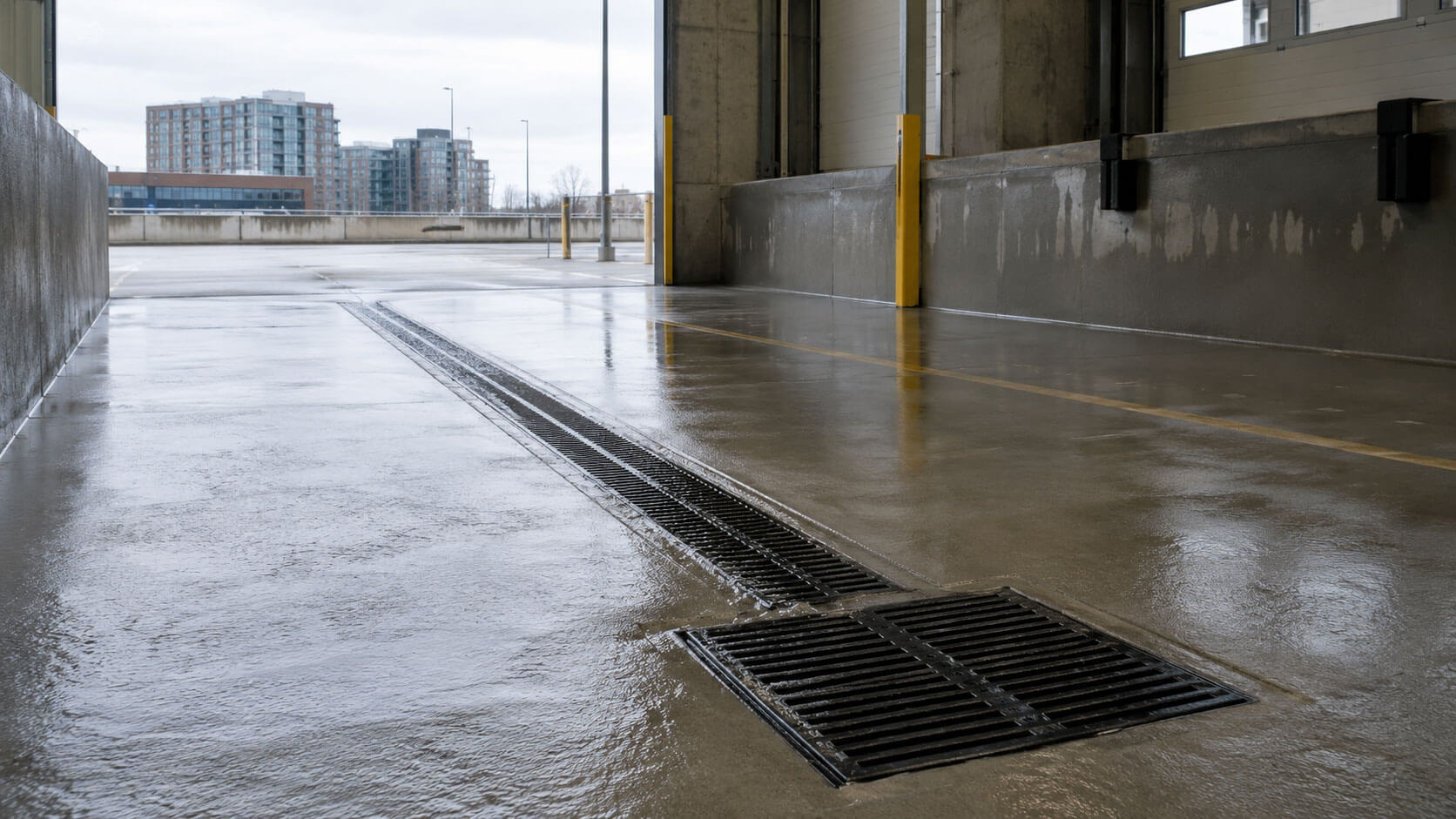
- Restrict catch basins
- Reduce drainage efficiency
As buildup increases, the likelihood of backups and overflows rises significantly.
The Hidden Costs of Repeated Blockages
Commercial drain backups create more than plumbing inconvenience.
Recurring problems can lead to:
- Emergency drain service calls
- Tenant and customer complaints
- Temporary washroom closures
- Odor issues
- Water damage
- Operational disruption
Meanwhile, repeated emergency response often costs significantly more than preventative maintenance.
For larger commercial properties, recurring drainage issues can also affect tenant satisfaction and overall property operations.
Why Commercial Properties See Recurring Issues
Ontario commercial buildings often face additional challenges because of:
- Older drainage infrastructure
- High occupancy usage
- Shared plumbing systems
- Long horizontal drain runs
- Grease accumulation in food-service areas
In addition, colder temperatures and freeze-thaw cycles may contribute to pipe stress and slower drainage conditions in some systems.
Because of these combined factors, wipes can become part of a much larger recurring maintenance problem.
How Preventative Drain Maintenance Helps
Preventative maintenance helps reduce the risk of major blockages before they disrupt operations.
Commercial drain maintenance may include:
- Hydro jetting
- Drain snaking
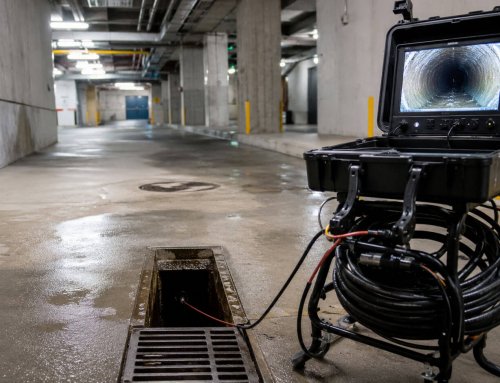
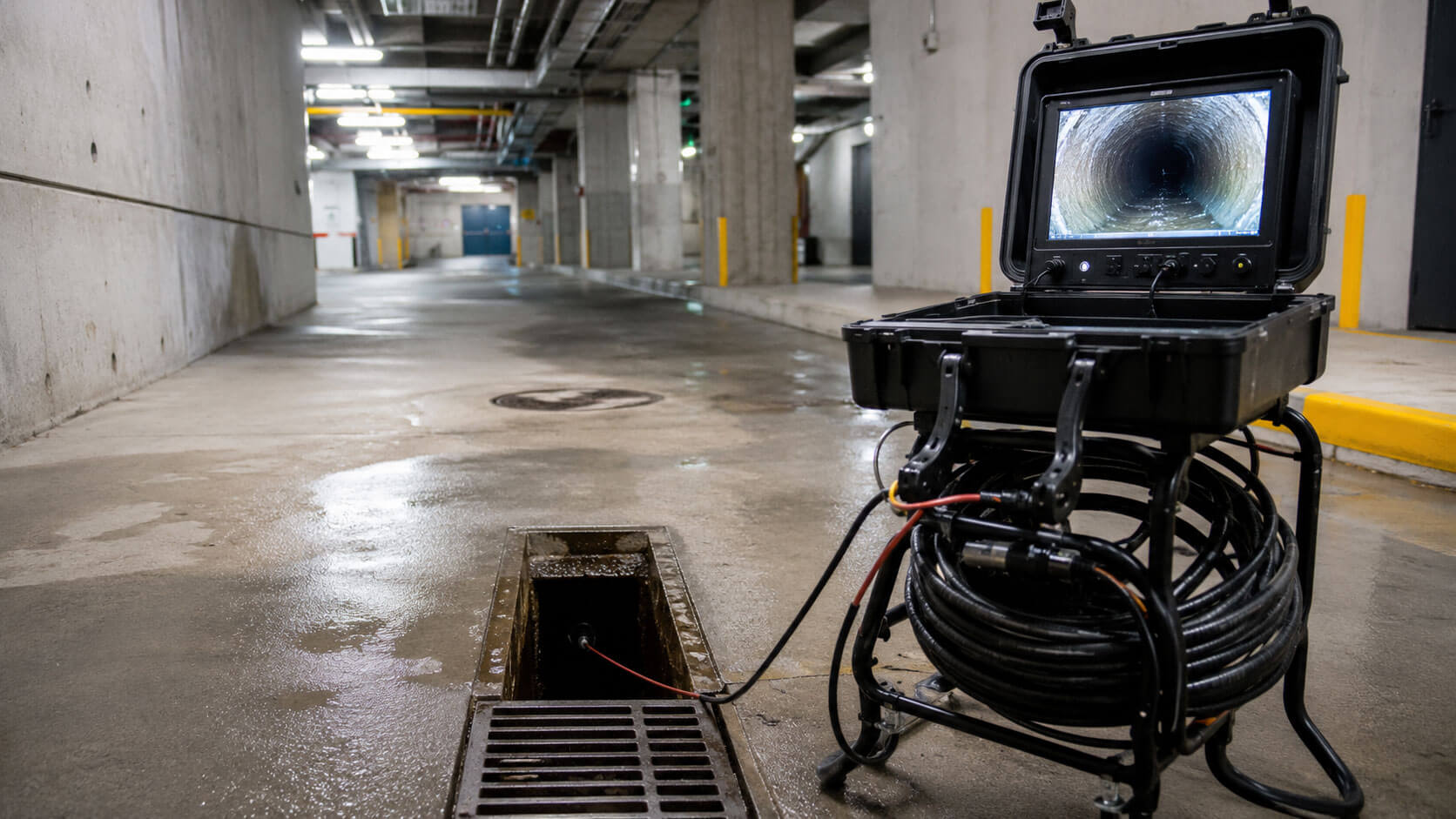
- Camera inspections
- Grease buildup removal
- Scheduled drain cleaning programs
Hydro jetting, in particular, helps remove accumulated residue from pipe walls rather than simply reopening a blockage temporarily.
For high-use commercial properties, scheduled maintenance often reduces emergency service frequency and long-term infrastructure strain.
What Property Managers Can Do
Property managers can help reduce wipe-related issues through:
- Washroom signage
- Tenant education
- Scheduled inspections
- Preventative drain maintenance
- Monitoring recurring problem areas
Clear communication is especially important in:
- Shared commercial washrooms
- Multi-tenant buildings
- Public-access facilities
Reducing improper flushing habits helps protect larger drainage infrastructure over time.
Supporting Long-Term Plumbing Infrastructure
Commercial drainage systems are part of a property’s larger operational infrastructure.
Routine maintenance and early intervention help:
- Reduce emergency backups
- Improve system reliability
- Extend infrastructure lifespan
- Support cleaner operations
- Reduce operational disruption
For Ontario commercial properties, preventative drain maintenance is often more cost-effective than repeated emergency response and restoration work.
Finally
“Flushable” wipes continue to create major maintenance challenges for commercial buildings across Ontario. Although they may appear harmless individually, repeated flushing contributes to recurring blockages, system strain, and emergency drainage issues over time.
Royal Wash provides commercial drain maintenance and cleaning services across Ontario, helping property managers maintain cleaner and more reliable drainage systems while reducing recurring operational problems.
Request a Commercial Drain Assessment
Footnotes
¹ Sewer use requirements and drainage system regulations may vary across Ontario municipalities and commercial property types.