Hydro Jetting vs. Snaking: What Ontario Commercial Properties Need
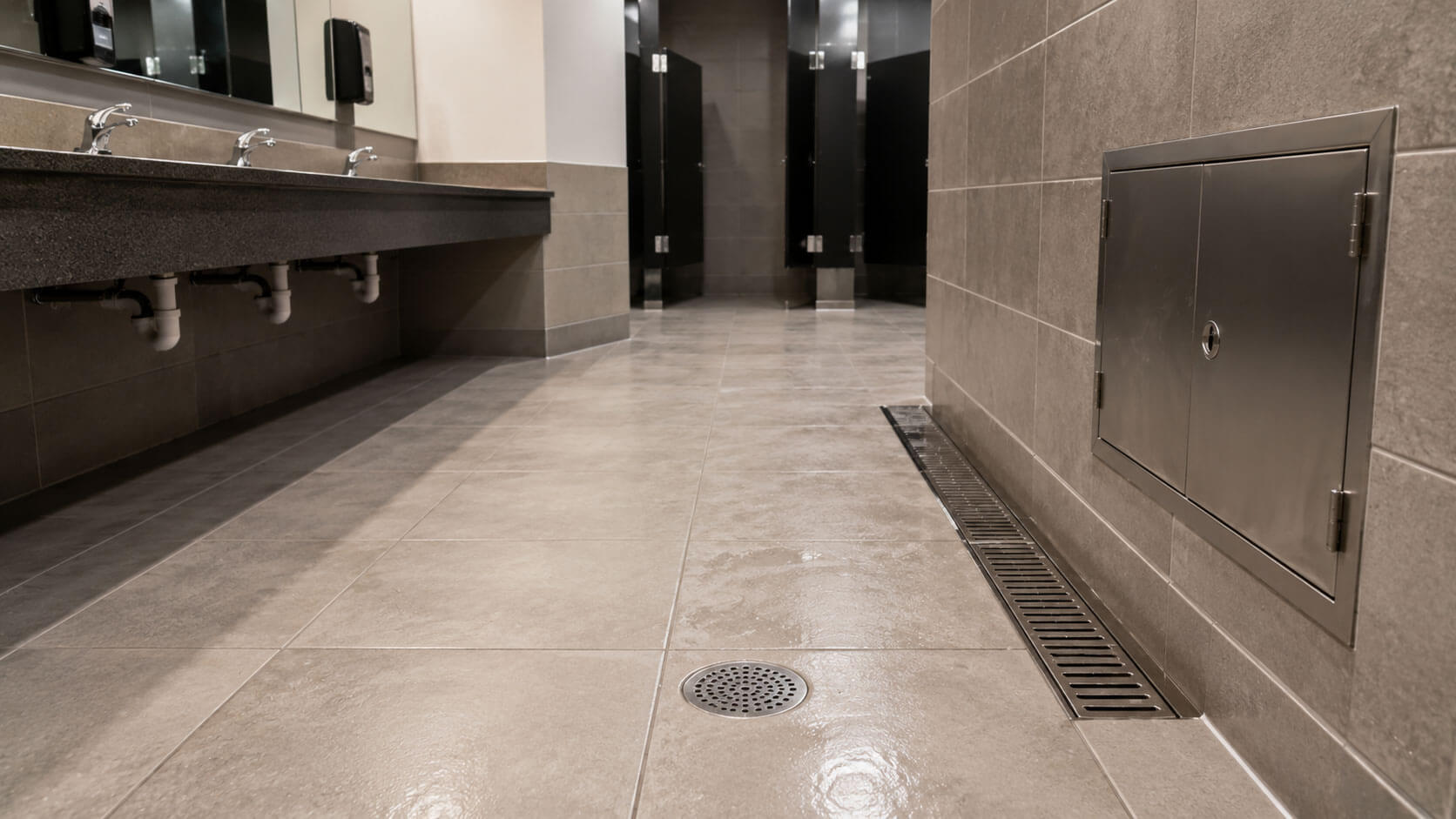
Commercial drain systems handle far more than water. Restaurants, office buildings, plazas, industrial properties, and multi-unit facilities all generate grease, sediment, debris, and buildup that can gradually restrict drainage performance.
When blockages develop, many property owners focus only on restoring flow as quickly as possible. However, different drain cleaning methods solve different problems.
For Ontario commercial properties, understanding the difference between hydro jetting and drain snaking helps property managers make better long-term maintenance decisions while reducing the risk of recurring backups and emergency service calls.
Why Commercial Drain Problems Are Different
Commercial drainage systems experience significantly heavier use than residential plumbing systems.
Over time, commercial drains collect:
- Grease and fats
- Soap residue
- Sediment buildup
- Food waste
- Paper products
- Scale and mineral deposits
- Organic sludge
In addition, larger buildings often operate with older or more complex drainage infrastructure that requires ongoing maintenance rather than occasional spot repairs.
Because of this, recurring drain problems are common when buildup is not fully removed.
What Drain Snaking Does
Drain snaking is one of the most common methods used to restore flow in blocked pipes.
A drain snake uses a rotating cable or auger to:
- Penetrate blockages
- Break apart localized clogs
- Reopen restricted drain lines
This approach works well for:
- Small obstructions
- Isolated blockages
- Emergency flow restoration
In many cases, snaking provides a fast solution when drains stop flowing entirely.
The Limits of Traditional Snaking
Although snaking can reopen a pipe, it often does not fully clean the pipe walls.
As a result:
- Grease residue may remain
- Sludge buildup can continue accumulating
- Debris may quickly collect again
- Recurring clogs become more likely
For commercial properties with heavy drain usage, snaking sometimes acts as a temporary solution rather than long-term maintenance.
This becomes especially common in:
- Restaurants
- Food courts
- Commercial kitchens
- Multi-tenant facilities
What Hydro Jetting Does
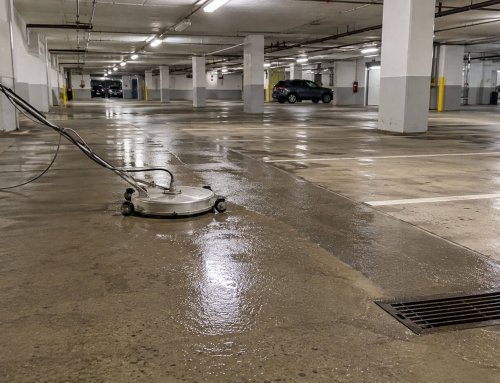
Hydro jetting uses high-pressure water to clean the interior walls of drainage pipes.
Unlike snaking, hydro jetting:
- Removes grease buildup
- Flushes debris from pipe walls
- Clears accumulated sludge
- Restores more complete pipe flow
Because the water pressure cleans the full interior surface, hydro jetting often provides a more comprehensive cleaning process for commercial systems.
When Hydro Jetting Makes More Sense
Hydro jetting is often more effective for:
- Recurring drain problems
- Heavy grease accumulation
- Preventative maintenance programs
- Larger commercial drainage systems
Properties that commonly benefit include:
Restaurants and Food-Service Facilities
Grease buildup is one of the leading causes of recurring commercial drain issues.
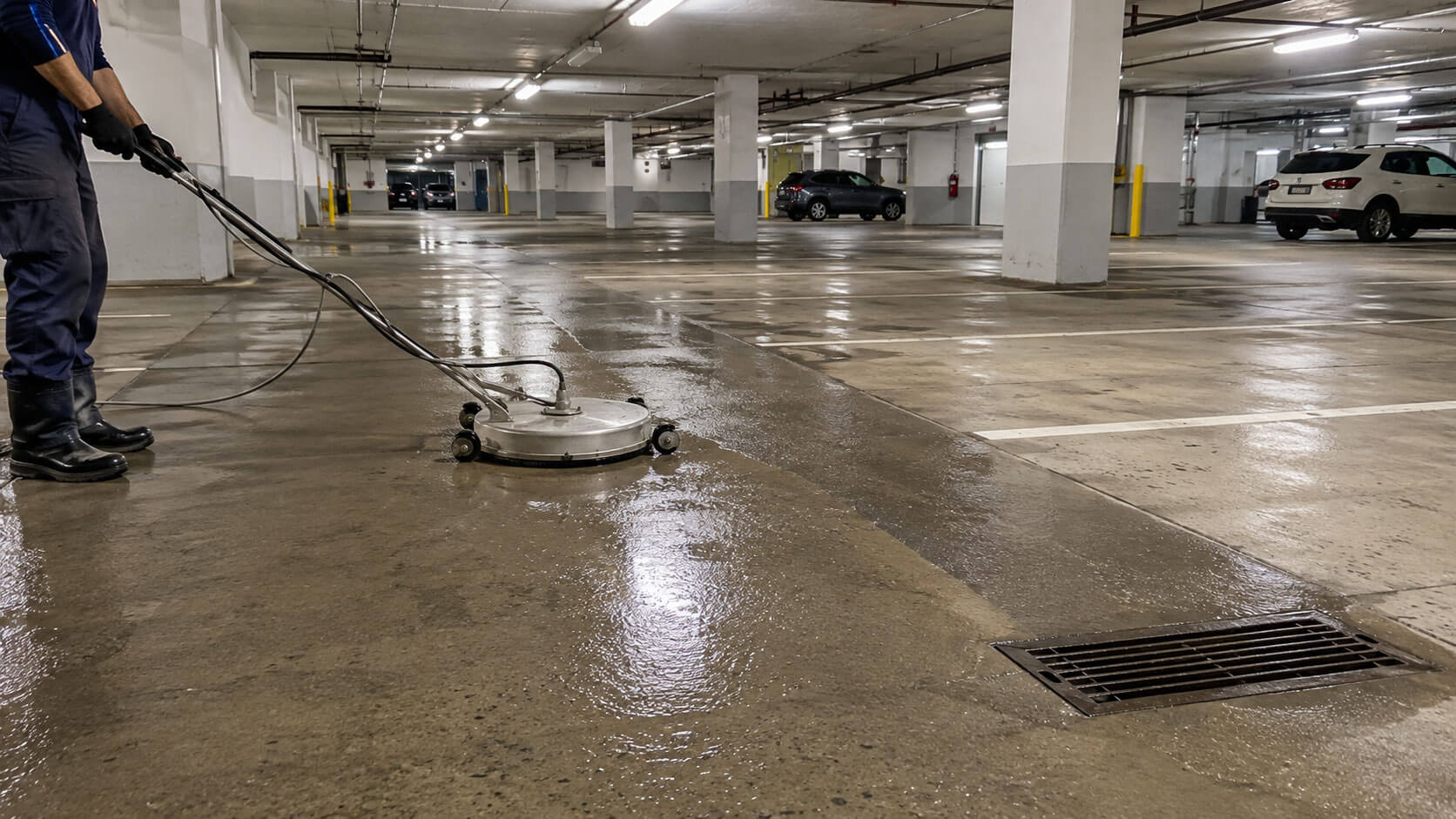
Parking Garages and Underground Structures
Sediment, debris, and runoff often accumulate in drainage systems over time.
Multi-Unit Commercial Buildings
Higher usage increases the likelihood of long-term buildup inside drain lines.
Industrial and Warehouse Facilities
Operational debris and heavy water usage may create persistent drainage restrictions.
For these environments, preventative cleaning often reduces emergency service calls and operational disruption.
Preventative Maintenance vs Emergency Response
Many commercial drain problems develop gradually.
Without maintenance:
- Flow slows over time
- Odors increase
- Backups become more likely
- Emergency service costs rise
Meanwhile, emergency drain failures can:
- Disrupt tenants
- Affect operations
- Create cleanup costs
- Increase liability exposure
Preventative drain maintenance helps identify and address buildup before major failures occur.
The Role of Camera Inspections
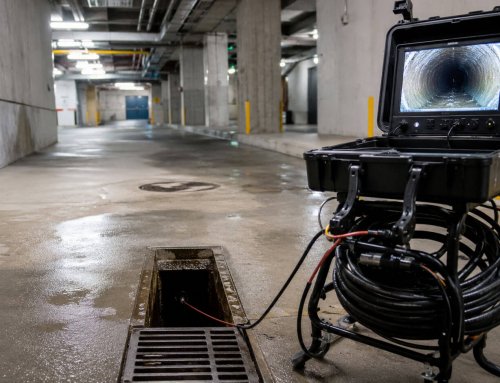
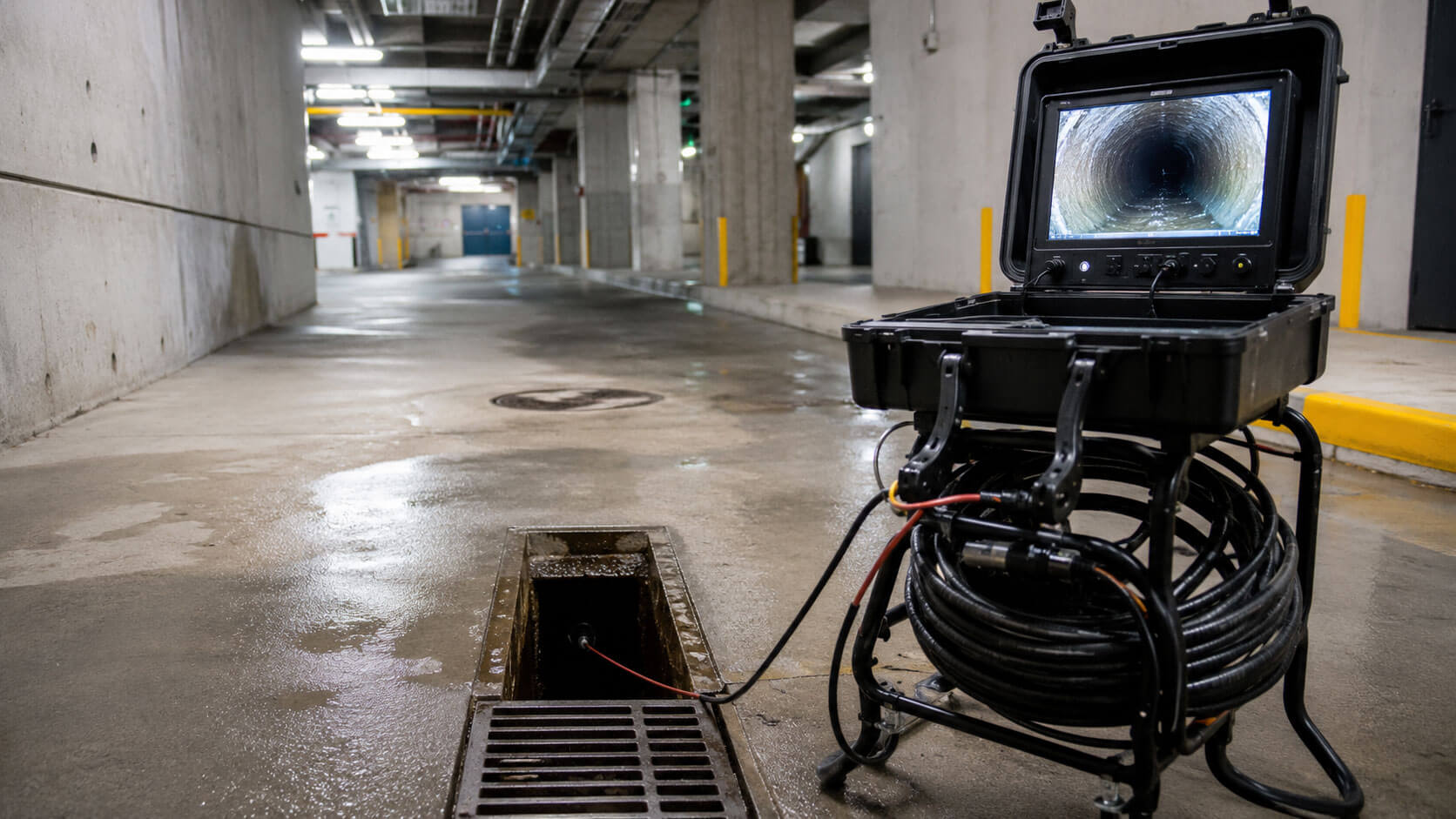
Commercial drain maintenance often includes camera inspections to evaluate pipe condition.
Camera inspections help identify:
- Grease accumulation
- Recurring blockage areas
- Tree root intrusion
- Pipe deterioration
- Structural damage
In addition, inspections help determine whether hydro jetting, snaking, or repair work is the most appropriate solution.
For larger commercial properties, this supports more informed maintenance planning.
Environmental and Operational Considerations
Commercial drain cleaning also requires environmental awareness.
Improper disposal of grease, sludge, or contaminated wastewater can create:
- Sewer system issues
- Environmental concerns
- Municipal compliance problems
Because of this, commercial drain maintenance should involve proper handling and disposal practices where required.
This becomes especially important for:
- Restaurants
- Food-processing facilities
- Commercial kitchens
- Industrial properties
Supporting Long-Term Drain Performance
Drain systems are part of a property’s larger infrastructure network.
Routine maintenance helps:
- Improve drainage performance
- Reduce recurring blockages
- Extend system lifespan
- Support cleaner operations
- Minimize emergency disruptions
For Ontario commercial properties, preventative maintenance is often more cost-effective than repeated emergency response.
Finally
Both snaking and hydro jetting play important roles in commercial drain maintenance. However, they solve different types of problems.
While snaking may restore immediate flow, hydro jetting often provides a more complete cleaning solution for commercial systems with recurring buildup and heavy usage.
Royal Wash provides commercial drain cleaning and maintenance services across Ontario, helping property managers maintain cleaner and more reliable drainage systems throughout the year.
Request a Commercial Drain Assessment
Footnotes
¹ Commercial drain maintenance requirements and sewer use regulations may vary across Ontario municipalities depending on property type and wastewater discharge conditions.