Commercial drain problems rarely begin as emergencies. Instead, they develop gradually over time, often showing subtle warning signs long before a major blockage or backup occurs.
A slow floor drain, recurring clog, unpleasant odour, or repeated maintenance call in the same area may seem like an isolated issue. However, these symptoms often indicate that something deeper within the drainage system deserves attention.
For Ontario property managers, the challenge isn’t simply restoring drainage—it’s understanding why the same problems keep returning. That’s where drain camera inspections become valuable.
Rather than guessing which maintenance approach is appropriate, a camera inspection provides a clearer picture of the drainage system’s condition. It helps property managers make informed maintenance decisions, reduce repeated service calls, and plan preventative maintenance more effectively.
Simply put, understanding the problem is the first step toward choosing the right solution.
Why Commercial Drain Problems Often Go Undetected
Unlike cracked sidewalks or faded parking lot markings, commercial drainage systems operate almost entirely out of sight.
As a result, many drainage issues develop unnoticed beneath the surface while the building continues operating normally. Water may still flow, tenants continue using washrooms, and daily operations appear unaffected.
Meanwhile, conditions inside the drain can slowly change.
Over time, commercial drainage systems may experience:
- Grease accumulation
- Sediment buildup
- Soap residue
- Food waste
- Paper products and wipes
- Tree root intrusion
- Standing water in low-flow sections
- Debris entering from exterior drains
Initially, these conditions may only slow drainage slightly. However, as buildup increases, property managers often begin receiving repeated complaints about the same drain or area.
Without understanding why those problems keep returning, maintenance can become reactive instead of preventative.
Property Manager Insight
Recurring service calls in the same location usually indicate more than a simple blockage.
If one drain requires repeated cleaning throughout the year, the property may benefit from identifying the underlying condition instead of continuing to treat only the symptoms.
What a Commercial Drain Camera Inspection Can Reveal
A drain camera inspection allows technicians to visually assess the interior condition of commercial drainage lines.
More importantly, it provides information that helps property managers make better maintenance decisions.
A camera inspection can identify:
- Grease buildup
- Sediment accumulation
- Root intrusion
- Standing water
- Areas where debris repeatedly collects
- Foreign objects
- Flow restrictions
- Changes in drainage conditions
- Locations experiencing recurring maintenance issues
Rather than assuming every blockage requires the same response, property managers gain information that supports a more effective maintenance plan.
For example:
- Grease buildup may indicate the need for hydro jetting.
- Localized debris may respond well to conventional drain cleaning.
- Root intrusion may require ongoing monitoring.
- Recurring sediment buildup may suggest scheduled preventative cleaning.
Consequently, camera inspections help eliminate guesswork and support smarter maintenance planning.
Decision Point
If the same drain backs up more than once in the same location, scheduling another routine cleaning may only provide temporary relief.
Instead, consider whether a camera inspection could identify why the issue keeps returning.
Knowing whether recurring problems result from grease buildup, sediment, root intrusion, wipes, or another condition allows property managers to choose the most appropriate maintenance strategy rather than repeating the same service over and over.
The Cost of Waiting: How Small Drain Problems Become Major Disruptions
Drainage problems rarely become serious overnight.
Instead, they often follow a predictable pattern.
Month One
Minor grease, sediment, or debris begins collecting inside the drainage line.
Everything still appears normal.
Month Three
Water drains more slowly during busy periods.
Staff may notice occasional odours or slower floor drains, but the issue seems minor.
Month Six
The same drain begins causing recurring maintenance calls.
Cleaning restores flow temporarily, yet the problem gradually returns.
Month Nine
Drainage slows again.
Odours become more noticeable, and tenants begin reporting recurring issues.
Month Twelve
The drainage system can no longer handle normal demand.
Now the property may experience:
- Emergency service calls
- Tenant complaints
- Operational disruption
- Cleanup costs
- Water damage concerns
- Increased maintenance expenses
Had the underlying condition been identified earlier, preventative maintenance may have reduced the frequency or severity of these recurring problems.
Why Camera Inspections Help Reduce Repeated Service Calls
One emergency drain cleaning may solve an immediate problem.
However, repeated service calls in the same location usually indicate that maintenance teams are treating the symptom rather than understanding the cause.
A camera inspection helps answer important questions.
For example:
- Why does this drain continue clogging?
- Why is water backing up in the same area?
- Is grease accumulating faster than expected?
- Is debris entering from another source?
- Is maintenance needed more frequently than planned?
Once these questions are answered, property managers can make more informed maintenance decisions.
Instead of reacting to every blockage individually, they can develop a preventative maintenance strategy that addresses recurring conditions before they disrupt building operations.
Maintenance Tip
If the same commercial drain requires service more than once within a relatively short period, consider scheduling a camera inspection before authorizing another routine cleaning.
Understanding the condition inside the drainage system often leads to a more effective long-term maintenance plan.
Commercial Properties That Benefit Most from Camera Inspections
Although every commercial property is different, certain facilities are more likely to benefit from periodic drain inspections.
Restaurants and Food-Service Facilities
Restaurants generate large amounts of fats, oils, grease, and food waste.
Over time, these materials can accumulate inside drainage systems, making inspections useful when recurring maintenance issues develop.
Office Buildings
Office buildings often have multiple tenants sharing common drainage infrastructure.
Consequently, recurring issues may affect several occupants before the underlying condition becomes obvious.
Retail Plazas
Retail plazas frequently contain businesses with very different drainage demands.
For example, a restaurant, salon, and retail store may all share portions of the same drainage network.
If one area repeatedly experiences drainage issues, a camera inspection can help determine whether maintenance should focus on a localized problem or a broader section of the system.
Condominiums and Multi-Residential Buildings
Shared drainage systems mean one recurring issue can eventually affect multiple residents or common areas.
Early investigation often supports better long-term maintenance planning.
Industrial and Warehouse Facilities
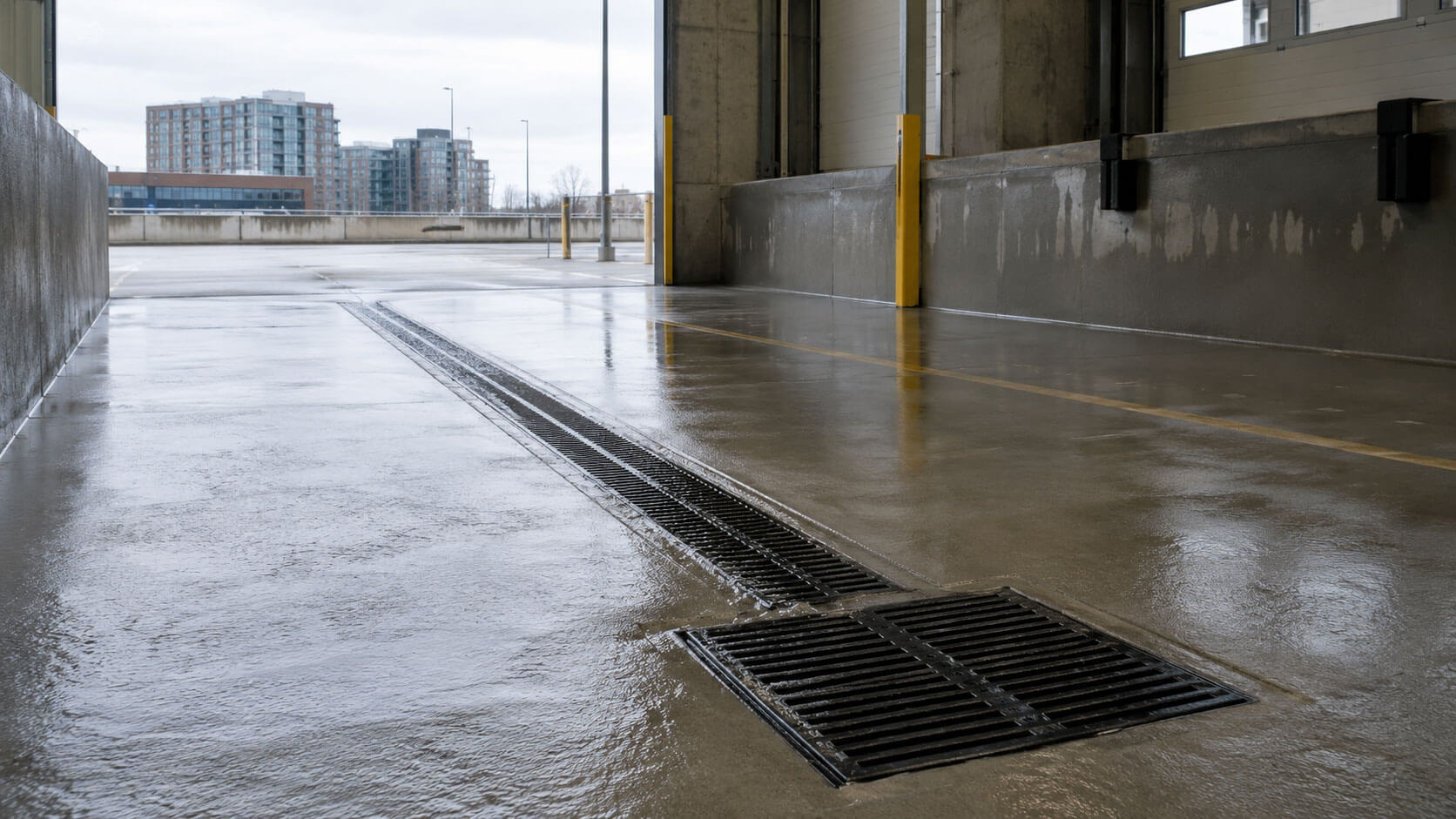
Industrial properties commonly use floor drains, washdown areas, and service corridors that collect sediment and operational debris.
Routine inspections can help identify areas requiring additional maintenance before productivity is affected.
Schools, Healthcare Facilities, and Institutional Buildings
High occupancy levels place consistent demand on drainage infrastructure.
Consequently, preventative inspections may help facilities teams reduce unexpected maintenance disruptions throughout the year.
Real Commercial Example
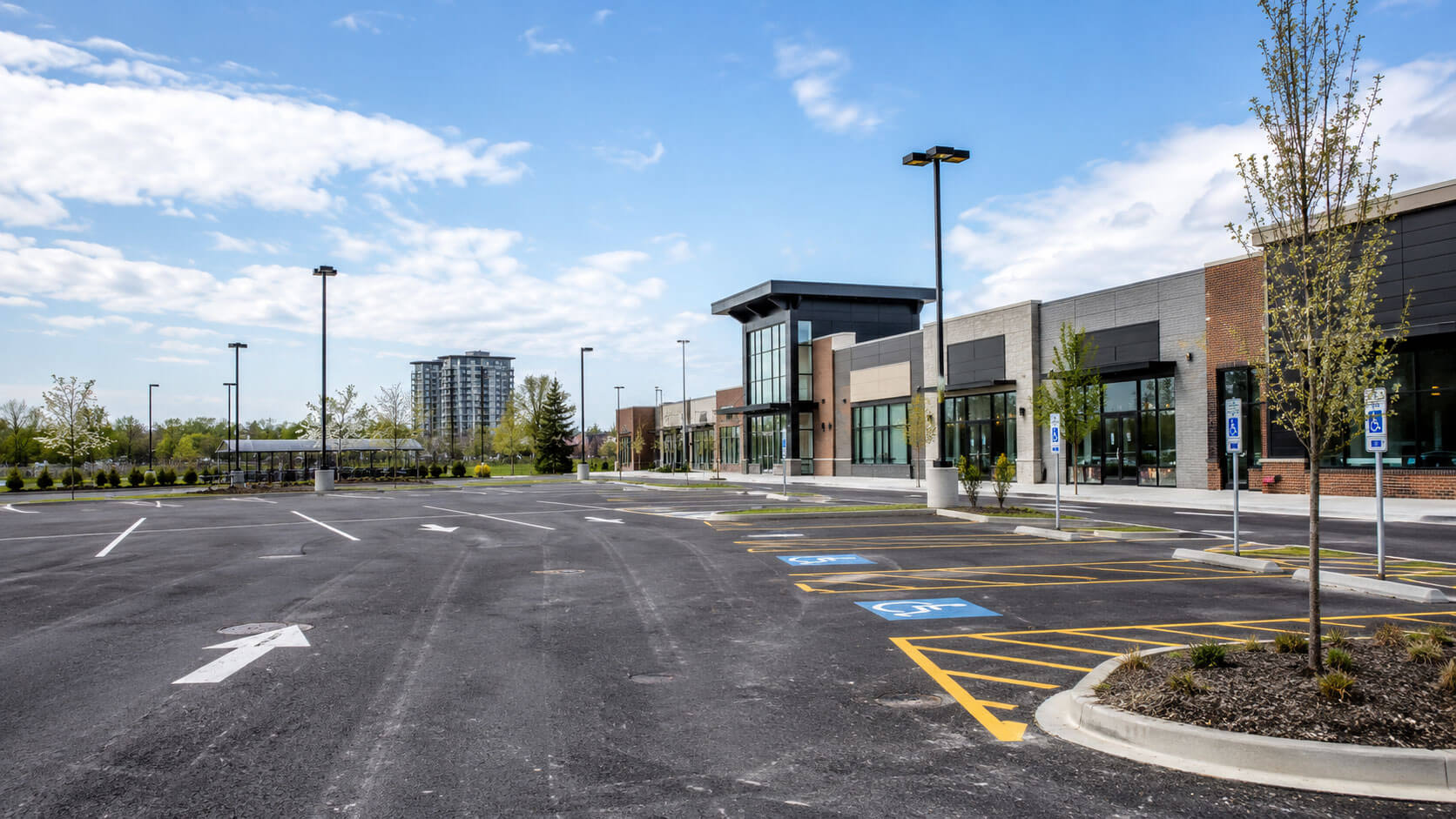
A retail plaza experiences recurring drain blockages behind one restaurant approximately every three months.
Each maintenance visit restores drainage temporarily, yet the same issue continues returning.
Rather than scheduling another reactive cleaning, the property manager authorizes a drain camera inspection.
The inspection identifies recurring grease accumulation in one section of the drainage line. Armed with that information, the property manager adjusts the maintenance schedule to include more frequent preventative cleaning for that area instead of continuing to respond only after problems develop.
The result is fewer emergency service calls, improved drainage performance, and better long-term maintenance planning.
Common Warning Signs Property Managers Shouldn’t Ignore
Most drainage systems provide warning signs before a major disruption occurs.
Property managers should pay attention to recurring issues such as:
- Slow drains in the same location
- Frequent drain cleaning requests
- Recurring odours
- Gurgling sounds
- Water pooling around floor drains
- Drainage problems after heavy rainfall
- Multiple tenant complaints involving the same area
- Repeated maintenance visits for similar issues
Although one isolated incident may not require further investigation, recurring symptoms often justify a closer look.
Recognizing these patterns early allows maintenance decisions to become proactive instead of reactive.
FAQ Section
What does a commercial drain camera inspection show?
A commercial drain camera inspection can show grease buildup, sediment accumulation, root intrusion, standing water, foreign objects, flow restrictions, and recurring blockage locations inside the drainage system.
When should a property manager schedule a drain camera inspection?
Property managers should consider a camera inspection when the same drain backs up more than once, when slow drains or odours keep returning, after a property management change, or before approving repeated emergency service calls.
Do camera inspections replace drain cleaning?
No. Camera inspections help identify what is causing a drainage issue. Drain cleaning methods such as snaking or hydro jetting may still be needed depending on what the inspection shows.
Can camera inspections reduce recurring drain problems?
Yes. Camera inspections help property managers understand why problems keep returning. As a result, they can choose the right maintenance approach and reduce repeated service calls.
Which commercial properties benefit from drain camera inspections?
Restaurants, office buildings, retail plazas, condominiums, industrial facilities, schools, healthcare properties, and multi-tenant commercial buildings can benefit from camera inspections when drainage issues recur.