Power Washing: Best Practices and Essential Tips for Superior Cleaning Results
Power washing is an excellent way to clean and restore various surfaces around your home. Whether it’s your driveway, deck, or siding, using the right techniques ensures effective cleaning without damaging your property. To help you achieve the best results, we’ve compiled a guide filled with essential pressure washing tips and safe power washing techniques.
Adjust the Pressure for Each Surface
Do: Tailor the Pressure Setting to the Material
One of the most crucial pressure washing tips is to ensure that the pressure level is appropriate for the material you’re cleaning. Every surface reacts differently to the force of a pressure washer, so knowing the right amount of pressure can make all the difference between achieving a spotless surface and causing unintended damage.
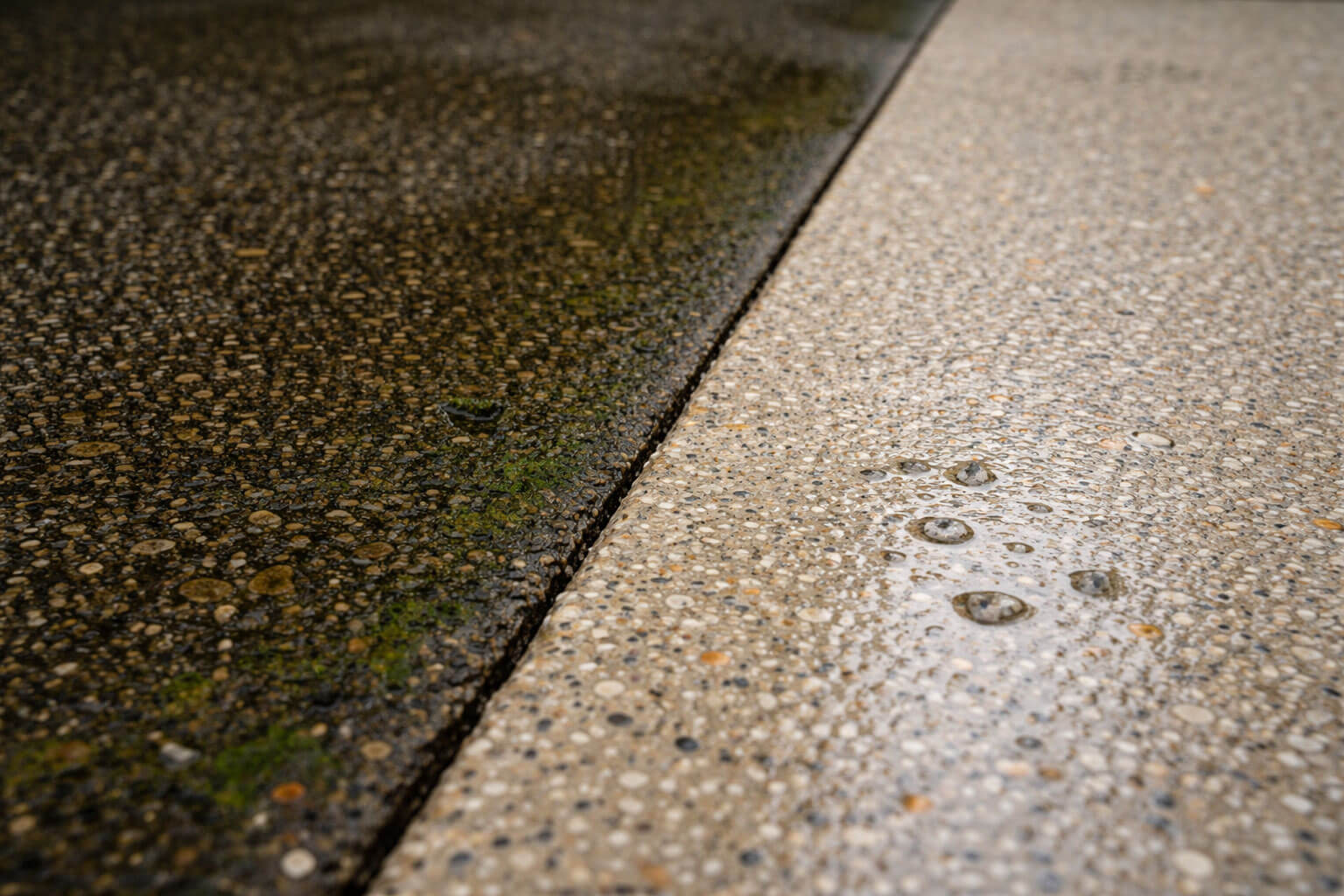
- Concrete Driveways & Patios: These tough, hard surfaces can withstand higher pressure levels, typically between 2,500 to 3,000 PSI (pounds per square inch), to remove deeply embedded dirt, grime, and stains such as oil or algae. When cleaning a driveway, it’s best to use a rotating nozzle or surface cleaner attachment to ensure even pressure and avoid streaking.
- Wooden Decks & Fences: Wood is a softer material, so you should stick to a lower pressure setting, around 500 to 1,200 PSI, depending on the wood type and condition. Excessive force can splinter the wood or remove protective coatings like stain or sealant. Be sure to use a fan tip nozzle, which distributes the water pressure evenly, and keep the nozzle moving to avoid gouging the surface.
- Vinyl Siding: For surfaces like vinyl siding, it’s best to use a pressure setting around 1,300 to 1,600 PSI to remove dirt, mold, or mildew. Be cautious to avoid water getting under the siding, which can lead to moisture buildup and potentially damage the structure underneath. Use a wide spray angle, such as 25 degrees, to cover more surface area gently.
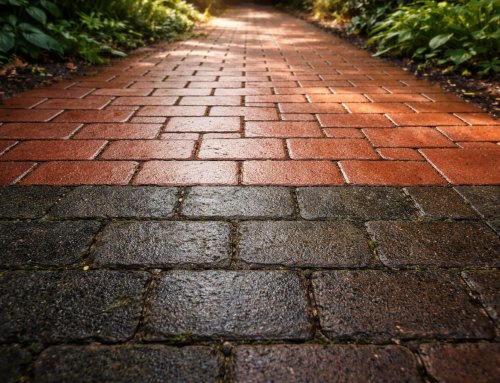
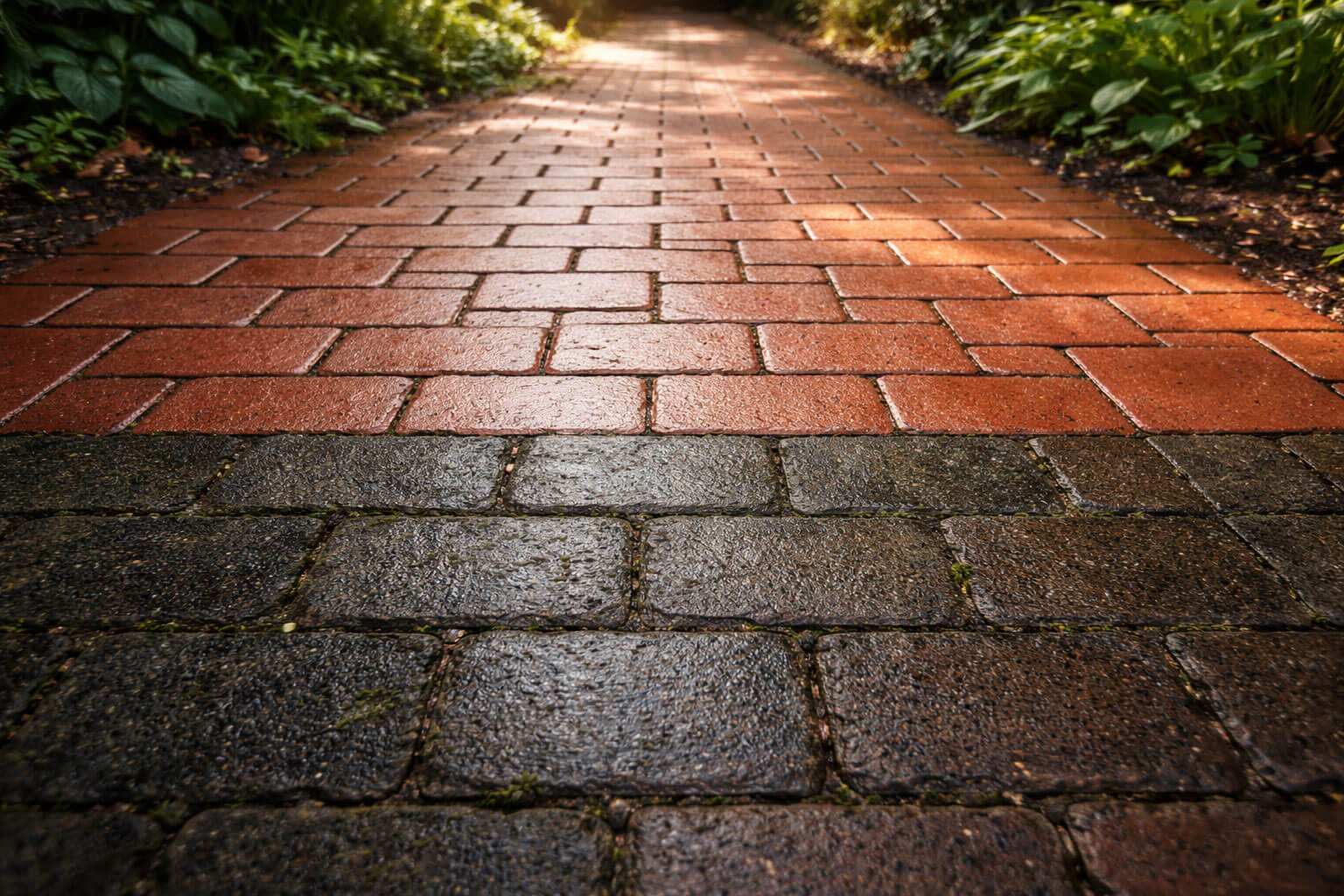
- Brick & Stone: While these surfaces are more durable, avoid going above 2,500 PSI to prevent loosening the mortar or damaging the surface. A medium-pressure setting paired with a sweeping motion will help clean without causing any deterioration to the brickwork or stone.
- Windows & Fragile Surfaces: Extremely low pressure (under 500 PSI) should be used for delicate surfaces like windows. Too much pressure can shatter glass or cause frame damage, so it’s essential to either lower the pressure drastically or avoid using a pressure washer on these surfaces altogether.
By adjusting the pressure level to match the surface, you ensure a thorough and safe cleaning process, prolonging the lifespan of the material and avoiding costly repairs.
Don’t: Avoid Overpowering the Surface
Using too much pressure is a common mistake that can lead to significant damage, especially on softer or older materials. For instance, applying excessive pressure on wood can cause:
- Splintering and Warping: High pressure can dig into wood surfaces, creating splinters or deep grooves that compromise the structure. This can be expensive to repair or refinish, especially on decks or fences.
- Stripping Paint: If your surface has paint or a finish, using too much pressure can strip it away, leaving the surface exposed and vulnerable to weathering. This is particularly important when washing exteriors like siding or painted decks.
- Cracking Concrete: Even though concrete is hard, too much pressure can cause surface cracks or erode the top layer, which is more porous. This can lead to further issues like water damage or weed growth.
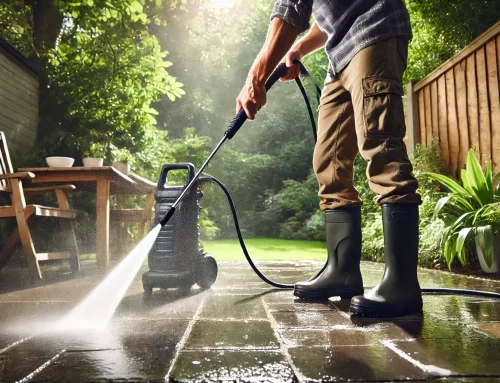
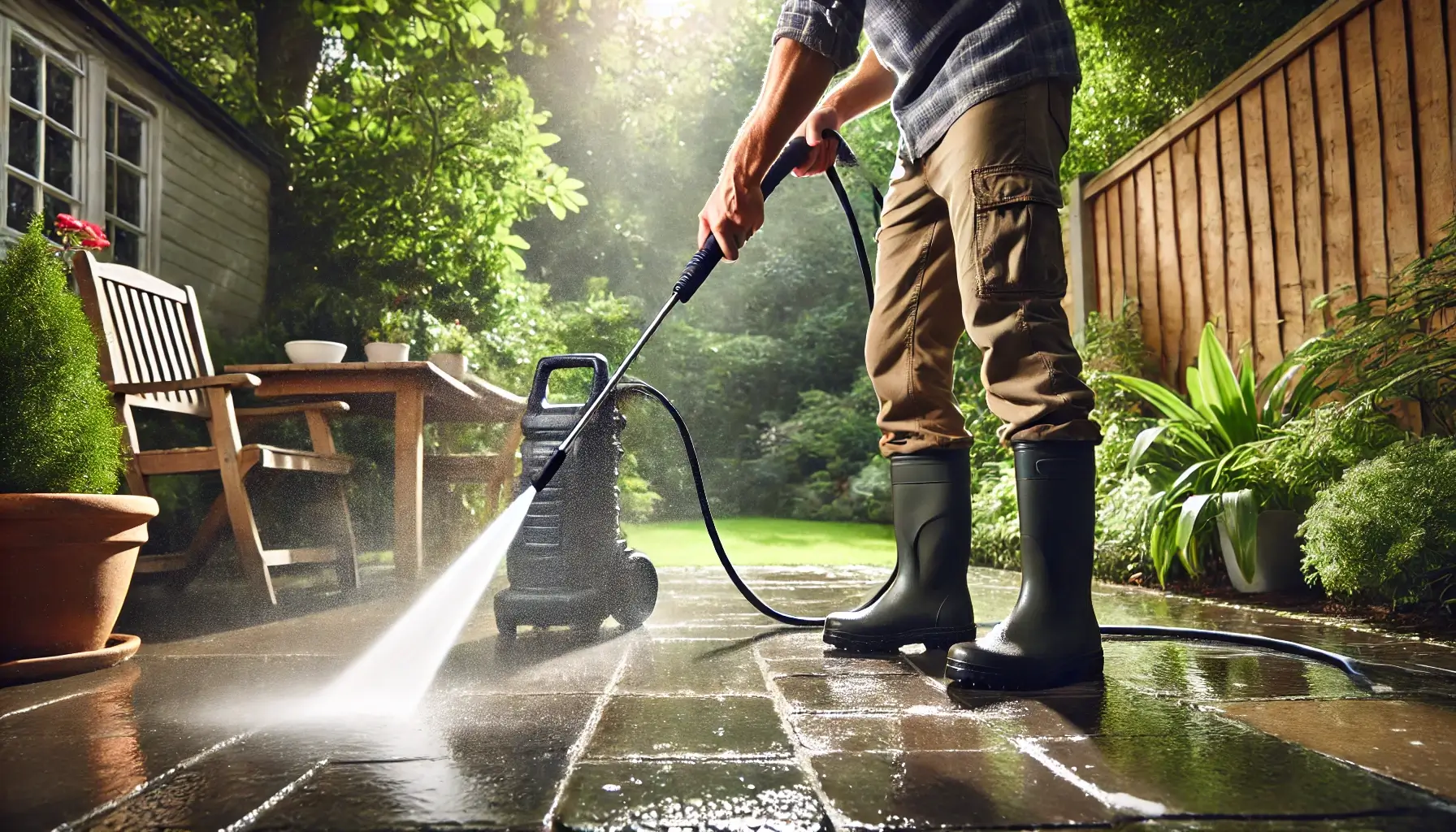
Safe Pressure Washing Techniques: Always begin with the lowest possible pressure setting for the surface and slowly increase the intensity as needed. Maintain a distance of at least 12 to 18 inches between the nozzle and the surface, and keep the wand moving to avoid concentrated pressure in one spot. This reduces the risk of unintentional damage while still providing a deep clean.
By understanding how different surfaces respond to pressure and making the necessary adjustments, you’ll protect your property while ensuring an effective clean. Keep in mind that using the right attachments—such as surface cleaners, rotating nozzles, or fan tips—can further optimize your results and reduce the risk of damage.
Test in a Small Area Before Full Cleaning
Do: Test for Surface Compatibility
Before you begin power washing a large area, it’s essential to conduct a patch test on a small, hidden part of the surface. This precautionary step can save you from costly mistakes by ensuring that the pressure setting and cleaning solution are appropriate for the material you’re cleaning.
- Why It’s Important: Different surfaces react differently to pressure and cleaning agents. For example, wooden decks may absorb water and cause the grain to raise if the pressure is too high, while brick or stone could experience surface etching. Conducting a test helps confirm that your chosen pressure level and detergent won’t cause any harm to the surface. Testing is especially crucial on surfaces that are painted, stained, or coated, as certain finishes can peel or strip under high pressure.
- How to Conduct a Test: Select an inconspicuous spot, such as the corner of a driveway or the back side of a deck railing, and spray a small area with the power washer. Use the cleaning solution and pressure level you plan to use on the entire surface, and then examine the results. Look for signs of damage, such as:
- Paint stripping or bubbling
- Wood splintering or gouging
- Surface etching or scarring
- Uneven cleaning patterns or streaks If the test area remains intact and clean, you’re ready to proceed with the full project.
- When to Adjust Settings: If you notice any issues during the patch test, you may need to reduce the pressure, switch to a gentler cleaning agent, or use a wider spray nozzle. This process allows you to find the safest and most effective cleaning method for your specific surface without risking widespread damage.
By taking just a few minutes to test a small area, you can avoid the hassle and expense of repairing damaged surfaces, ensuring that the cleaning process goes smoothly.
Don’t: Skip the Patch Test
Skipping the patch test is a common mistake that can lead to major problems down the line. Without testing first, you risk causing significant damage, such as:
- Peeling Paint: High-pressure washing can easily strip paint from walls, fences, or decks if the wrong pressure setting is used. This not only ruins the appearance of the surface but also leaves it vulnerable to weathering and further damage.
- Surface Etching: On delicate surfaces like soft stone, brick, or aged concrete, too much pressure can lead to etching or scarring, which may require resurfacing or professional repair.
- Wood Damage: Wooden surfaces are particularly vulnerable to high pressure, especially if they’re already weathered or untreated. Splintering, gouging, or cracking can occur, making your deck or fence unsafe and unsightly.
Avoid these risks by making the patch test a standard part of your power washing routine. While it may seem like an extra step, it’s one of the most reliable ways to ensure you’re using the right settings and products, protecting your property from potential harm.
Additional Benefits of Testing:
- Prevent Overuse of Detergents: Some surfaces may not need strong cleaning agents. By testing first, you can determine if water pressure alone is enough or if a milder detergent will work.
- Identify Problem Areas: During your test, you might discover areas that need special attention, such as spots with mold, algae, or deep stains. This allows you to prepare and adjust your approach for better cleaning results.
- Saves Time and Resources: A patch test helps you avoid having to rewash or repair damaged areas, saving time, effort, and money in the long run.
By ensuring you test in a small area before tackling the full project, you can confidently move forward knowing that the pressure setting and cleaning solution are safe and effective for your surface.
Use Eco-Friendly Cleaners
Do: Opt for Biodegradable Detergents
When power washing your home, it’s important to consider the environmental impact of the cleaning agents you use. Harsh chemicals can have detrimental effects on your surroundings, from damaging your landscaping to contaminating nearby water sources. That’s why choosing eco-friendly power washing solutions is not only a responsible choice for the environment but also a smart move for maintaining the long-term health of your property.
- What Makes a Detergent Eco-Friendly? Biodegradable detergents are made from natural ingredients that break down quickly and safely once they enter the environment. Unlike conventional cleaners, which may contain harmful substances like phosphates, bleach, or ammonia, eco-friendly options are designed to dissolve naturally without leaving behind toxic residues. These detergents are typically free from harsh chemicals that could damage your surfaces or harm your local ecosystem.
- Benefits to Your Landscaping: Power washing around your home inevitably involves runoff, which can easily reach your garden, grass, and flowerbeds. By using biodegradable cleaners, you minimize the risk of harming your plants. The runoff is safe for the soil, meaning you won’t have to worry about chemicals seeping into the ground and affecting root systems or disrupting the delicate balance of your garden.
- Safer for Pets and Wildlife: Eco-friendly detergents are non-toxic, so they won’t pose any health risks to pets, birds, or other wildlife that may come into contact with the treated areas. Traditional cleaning agents can be dangerous if ingested by animals or absorbed through their skin, but biodegradable solutions eliminate these concerns.
- Better for Waterways: When harsh chemicals wash away, they can flow into storm drains and eventually make their way to rivers, lakes, and other bodies of water, causing pollution. Eco-friendly cleaners prevent the contamination of local water sources, helping to preserve aquatic ecosystems.
- Surface-Friendly: In addition to being environmentally safe, biodegradable power washing solutions are also gentle on your property’s surfaces. Harsh chemicals can strip paint, erode wood, or even corrode metal over time, but eco-friendly products are designed to clean effectively without causing degradation.
Don’t: Rely on Harsh Chemicals
While it may be tempting to use powerful chemical cleaners for tough jobs, relying on harsh substances can lead to unintended consequences for both your property and the environment.
- Surface Degradation: Over time, the use of harsh chemicals can weaken materials like wood, concrete, and vinyl. These substances can strip away protective finishes, leaving surfaces more vulnerable to weathering and wear. For example, wood decks may lose their stain or sealer, while concrete surfaces can become porous and prone to cracks.
- Environmental Harm: Runoff containing toxic chemicals can leach into the ground, affecting not only your landscaping but also nearby plants, soil, and even groundwater. Harmful substances like phosphates can promote algae blooms in water bodies, depleting oxygen levels and harming aquatic life.
- Health Risks: Many traditional cleaning agents contain volatile organic compounds (VOCs) that can pose health risks, particularly to children, pets, and people with respiratory issues. Inhaling fumes from these chemicals or coming into contact with them can cause irritation, allergic reactions, or other health problems.
By opting for eco-friendly power washing solutions, you protect your home’s surfaces, reduce environmental impact, and ensure a safer space for your family and pets—all while achieving a high-quality clean.
Examples of Eco-Friendly Cleaners:
- Vinegar and Water Mixture: A common and effective homemade solution, vinegar is excellent for cutting through grease, grime, and mold, especially on concrete or stone surfaces.
- Citrus-Based Cleaners: Derived from natural citrus extracts, these cleaners offer a powerful degreasing action while being gentle on the environment.
- Plant-Based Detergents: Many commercial biodegradable power washing detergents are made from natural plant-based ingredients, offering strong cleaning power without the use of harmful chemicals.
Incorporating eco-friendly products into your power washing routine is a small step that makes a big difference. These products not only clean effectively but also contribute to a healthier environment, making your home safer and more sustainable. Whether you’re cleaning your driveway, deck, or siding, eco-friendly power washing options ensure that your property stays in great shape without compromising the world around you.
Protect Your Property Before You Start
Do: Take the Time to Prepare
Before you begin power washing, it’s crucial to ensure that your property and its surroundings are well-protected from potential damage caused by high-pressure water, overspray, and cleaning chemicals. Taking the necessary precautions not only protects your outdoor areas but also makes the cleaning process more efficient and hassle-free.
- Move Outdoor Furniture: Start by removing or covering all outdoor furniture, grills, and décor items from the area you plan to clean. Power washing can easily damage these items, especially if they are made of wood, metal, or fabric. Removing them from the cleaning zone prevents accidental overspray and makes the job easier by eliminating obstacles.
- Cover Plants and Landscaping: Power washing can harm delicate plants, flowers, and garden beds due to the high pressure or chemicals used in the process. Cover plants with plastic sheeting or tarps to shield them from water and cleaning solutions. If you’re using eco-friendly detergents, you may not need to worry about chemical runoff, but the pressure from the water alone can still damage fragile plants or flowers.
- Shield Windows and Doors: Windows and doors are particularly vulnerable to damage during power washing. While glass can withstand moderate pressure, it’s always safer to use a lower pressure setting around windows and cover any surrounding trim, frames, and sills with plastic or painters’ tape to prevent water from seeping inside. Be cautious near window screens as they can tear easily if hit with direct, high-pressure water.
- Protect Electrical Outlets and Lighting Fixtures: Electrical outlets, wiring, and outdoor lighting fixtures should always be covered before power washing. Use waterproof plastic or a heavy-duty cover to protect outlets, ensuring that no water gets inside. Getting water in electrical components can lead to short circuits, electrical fires, or even personal injury. Turn off outdoor electrical sources whenever possible before you begin cleaning, and avoid spraying directly at any electrical installations.
- Seal Gaps and Cracks in Surfaces: Check the surfaces you plan to clean for any existing gaps or cracks, such as in siding, bricks, or concrete. Sealing these areas before power washing will help prevent water from getting inside and causing further damage. Cracks can expand if exposed to high-pressure water, leading to more costly repairs down the road.
- Keep Drainage in Mind: Proper drainage is key to avoid flooding or water damage. Make sure your cleaning area has a slope or pathway where water can flow away from the house, garden, and other structures. Use sandbags or water diverters if necessary to channel water away from sensitive areas like basements or crawl spaces.
Don’t: Forget to Protect Vulnerable Areas
Skipping these protective steps can lead to a range of issues that could have been avoided with a little preparation. Overlooking vulnerable areas of your property can result in:
- Accidental Water Damage: Without proper protection, high-pressure water can penetrate cracks, openings, or unsealed areas, leading to leaks inside the home or under decking. Water infiltration can cause long-term problems like mold, wood rot, or structural damage that is costly to repair.
- Damage to Plants and Landscaping: Even if you’re using eco-friendly cleaners, the strong force of the water alone can flatten or damage delicate flowers and plants. Without taking the time to cover them, you may end up spending additional money replacing plants or reseeding your lawn.
- Broken or Shattered Windows: Direct exposure to high-pressure water can crack or shatter windows, especially if they’re older or not properly sealed. Window repairs can be expensive and time-consuming, but easily avoided by lowering the pressure around windows and using protective coverings where needed.
- Electrical Hazards: Failing to shield outdoor outlets or wiring can lead to short circuits, which can be dangerous to both you and your property. This is a critical step for ensuring safety during the power washing process. Any exposed wires or electrical components can be a serious hazard if hit with water.
Additional Preparation Tips:
- Sweep the Area: Before power washing, sweep away loose debris like leaves, dirt, or stones from the area. This makes the washing process more effective and prevents small objects from being blown around or causing damage when hit with high-pressure water.
- Check for Nearby Neighbors or Pedestrians: If you’re power washing close to a shared space, like a sidewalk or driveway, be mindful of pedestrians or neighboring homes. Overspray can splash onto cars, windows, or even passersby, so plan your cleaning during low-traffic times or set up barriers to contain the water.
- Secure Items on Decks or Patios: Items like planters, light chairs, or lightweight decorations can be moved by the force of the water. Secure or remove these objects to prevent them from being displaced or damaged.
By taking these protective measures before you start power washing, you ensure that everything around your cleaning area remains safe, undamaged, and dry. A little preparation can save you from costly repairs, damaged plants, or hazardous conditions, while also making your cleaning process smoother and more effective.