Maintaining Your Interlocking Pavers
Interlocking pavers bring character, structure, and long-term value to your patios and driveways. However, like any outdoor surface, they collect significant buildup over time. Dirt settles into the pores, weeds take root in the joints, and stains become harder to remove the longer they sit. Consequently, without routine care, even the best-installed pavers start to look uneven or worn. This guide explains common issues and the simple habits that keep your stone surfaces clean, stable, and safe.
Why Interlocking Pavers Need Regular Attention
Pavers are durable, but they endure extreme exposure during every Toronto season. Rain, heat, and snow all affect the stone surface differently. In fact, most problems do not appear overnight; instead, they build slowly until the surface looks tired. Specifically, understanding where these issues originate makes your maintenance far more effective.
1. Persistent Weed Growth Between Joints
Weeds represent the most common frustration for homeowners. Because the spaces between pavers naturally collect dust and organic material, these gaps become the perfect seedbed. Seeds usually arrive via wind or nearby garden beds.
Once they sprout, weeds can cause several problems:
-
Structural Shifts: Roots can push pavers out of place.
-
Safety Hazards: Large weeds make surfaces uneven and prone to tripping.
-
Moisture Traps: Foliage traps water, which consequently accelerates freeze-thaw damage.
To prevent this, sweep your patio regularly and replenish joint sand to limit weed activity.
Managing Stains and Organic Growth
2. Eliminating Stains from Everyday Use
Since pavers are porous, they absorb almost anything that lands on them. For example, grease from barbecues and oil from vehicles can penetrate deeply into the stone. Over time, these stains change the color of the surface and become nearly impossible to remove. Therefore, a quick response is essential. Always blot spills instead of scrubbing them, as scrubbing often pushes the stain deeper into the paver.
3. Moss and Algae in Shaded Areas
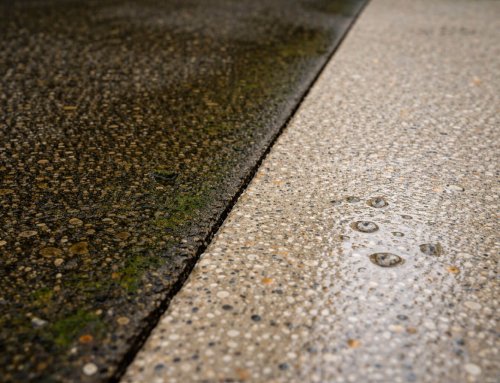
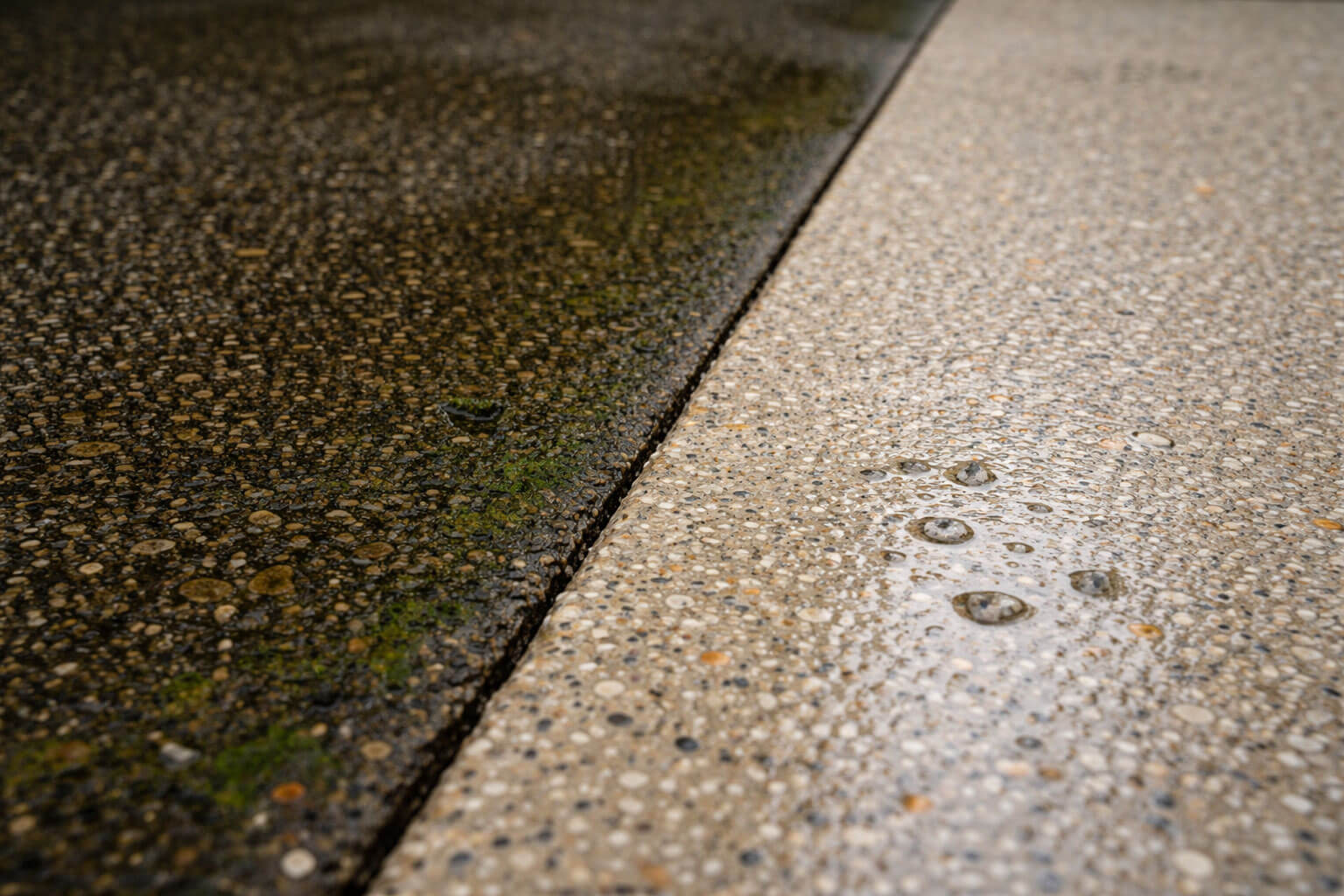
Moisture acts as the primary trigger for moss and algae. When pavers sit in the shade or in areas with poor drainage, these growths take hold quickly. Furthermore, the challenge involves more than just appearance. Specifically, these growths create slippery surfaces that hold moisture against the stone. In winter, this trapped water freezes and causes cracks or surface flaking. Thus, you should improve drainage and treat affected areas with a safe moss-inhibiting solution.
Preventing Shifting and Joint Erosion
4. Maintaining Joint Stability
As time passes, rain and heavy use wash away the sand between the joints. When this happens, the pavers loosen and the edges begin to lift. Consequently, water flows underneath the stones instead of across the surface. This erosion is exactly when uneven areas and trip hazards begin to appear. To fix this, re-sand your joints every one to two years to keep everything locked firmly in place.
A Simple Maintenance Routine That Works
You do not need to overhaul your entire driveway to keep it looking great. Instead, a few consistent habits go a long way.
-
Sweep Regularly: This clears debris and reduces the organic material that feeds weeds.
-
Clean Stains Promptly: The quicker you respond, the easier the removal becomes.
-
Replenish Joint Sand: Specifically, this keeps pavers stable and closes the gaps where seeds land.
-
Seal Periodically: A high-quality sealant protects against moisture, sun fading, and oil erosion.
When to Call a Professional
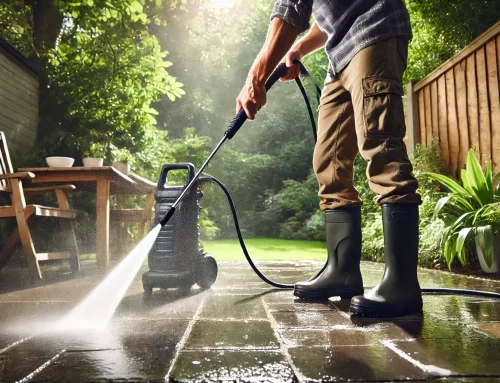
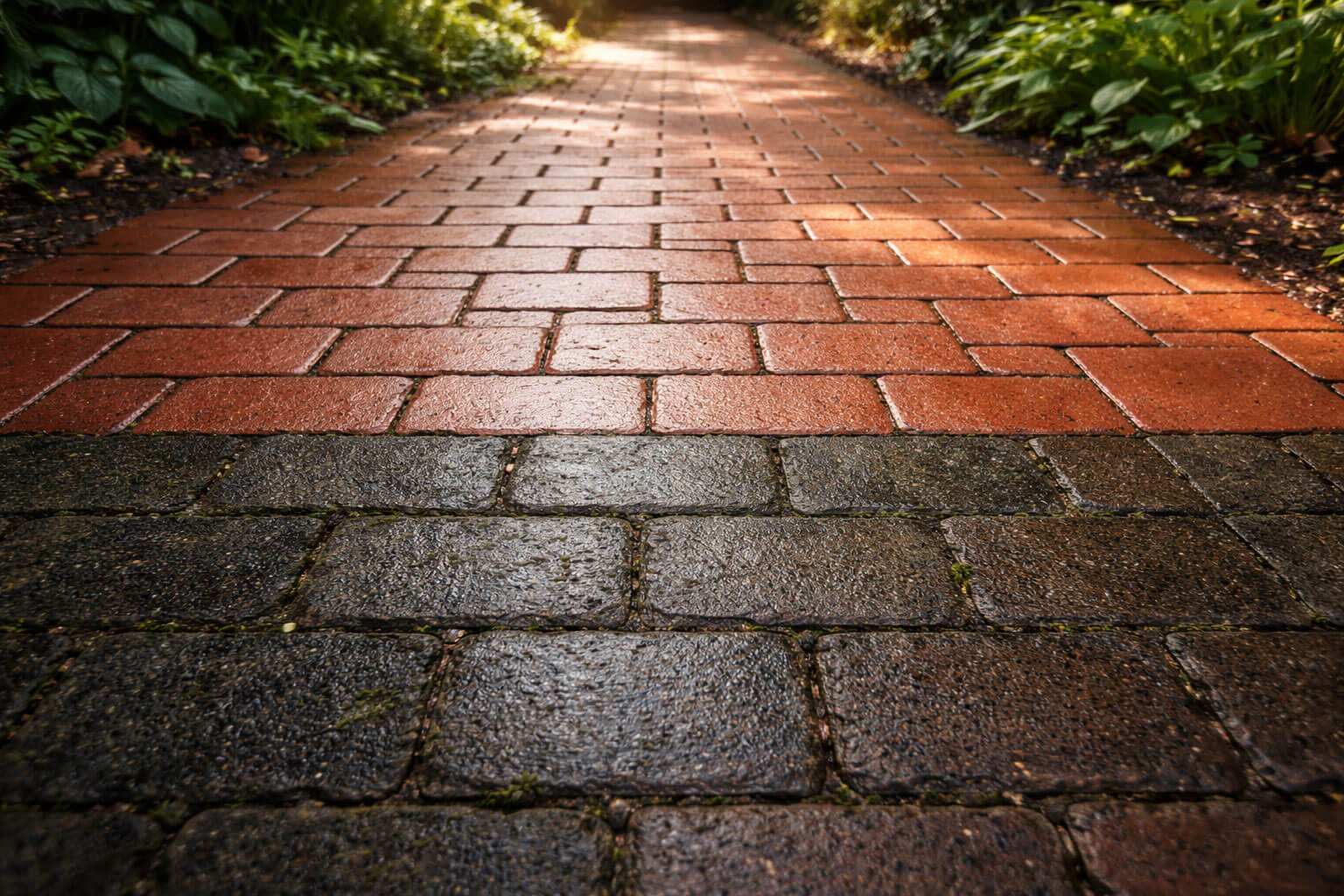
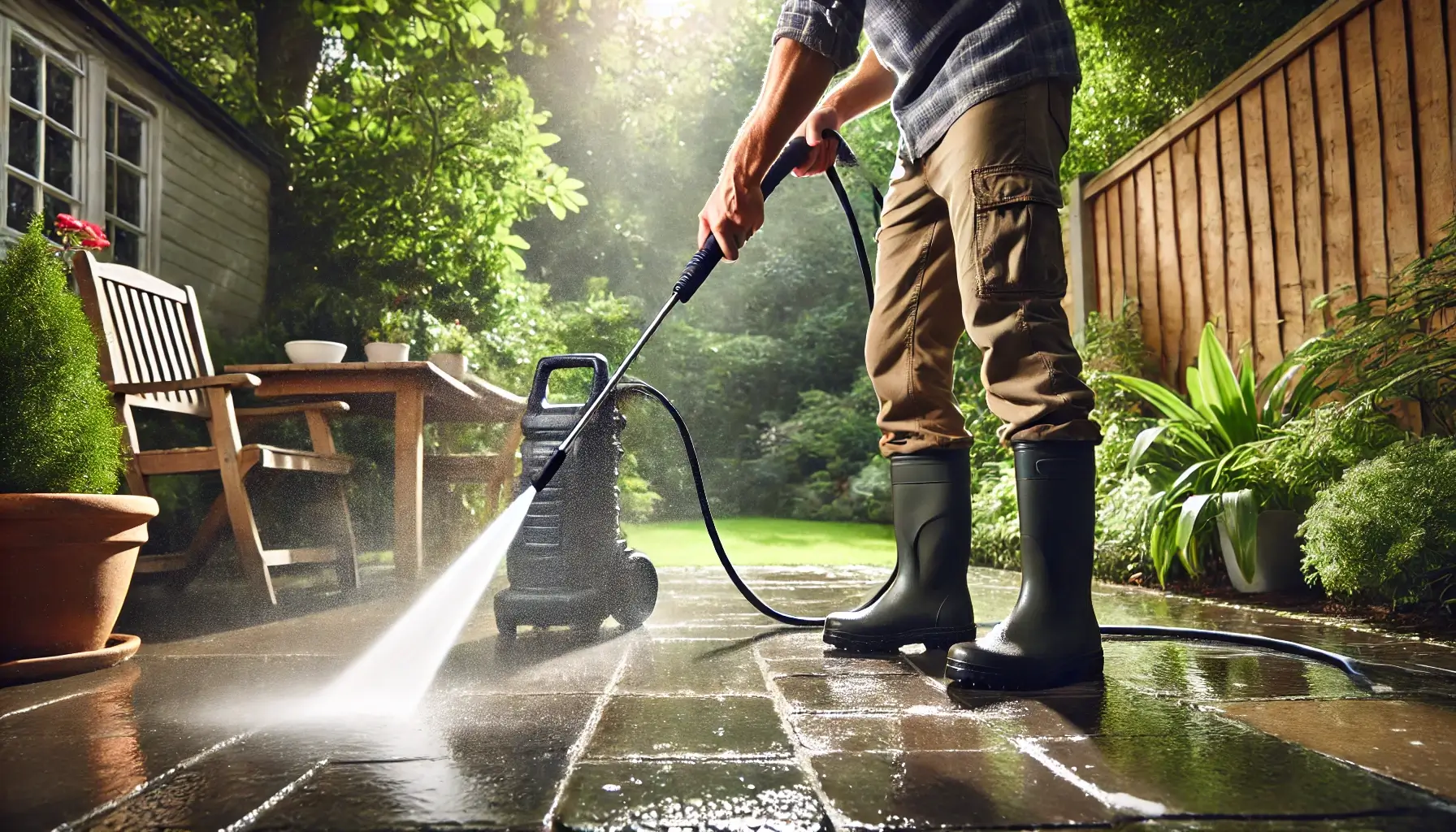
Even well-maintained pavers benefit from a deeper “reset” now and then. In fact, professional equipment offers advantages that a garden hose cannot match. Specifically, a professional deep clean can:
-
Remove deeply embedded dirt and grime.
-
Eliminate moss and algae without damaging the stone.
-
Lift tough oil stains using hot water systems.
-
Prepare the surface for fresh polymeric sand and a protective sealer.
Ultimately, interlocking pavers are a long-term investment. With a bit of routine care and an occasional deep clean, they stay stable and visually appealing for years.