Which Metric Actually Cleans Your Property?
If you are looking at pressure washers, it is easy to get fixated on the PSI (Pounds per Square Inch). Specifically, many people view it as the “force” of the water, assuming higher numbers always mean more power. However, in the professional world, GPM (Gallons per Minute) serves as the true measure of a machine’s capability.
To understand why, think of it this way: PSI acts as the “chisel” that breaks the bond between dirt and the surface. In contrast, GPM provides the “rinse” that actually flushes that dirt away.
Understanding the Key Metrics
PSI: The “Chiseling” Force
PSI determines the intensity of the water. Essentially, it is the “muscle” that allows you to strip paint or cut through thick grease.
-
1,500 – 1,900 PSI (Light Duty): Perfect for car washing, patio furniture, and cleaning vinyl siding without the risk of damage.
-
2,000 – 2,800 PSI (Medium Duty): This represents the “sweet spot” for home maintenance, including decks, fences, and brick walkways.
-
3,000+ PSI (Heavy Duty): Contractors use this primarily for unsealed concrete, industrial equipment, and stripping old paint or stains.
GPM: The “Rinsing” Volume
GPM measures the volume of water moving through the machine. While PSI does the “scrubbing,” GPM completes the “cleaning.”
-
Low GPM (1.2 – 2.0): Common in electric consumer units. Unfortunately, these often leave “swirl marks” because the machine lacks enough water to rinse the dirt away as you move.
-
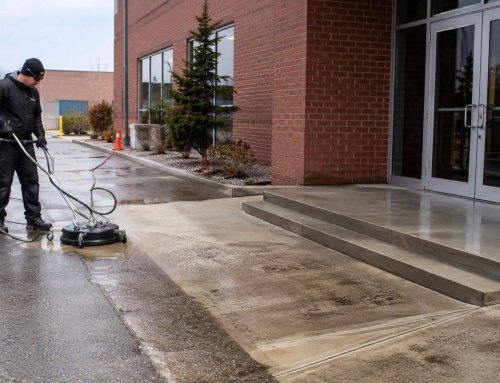
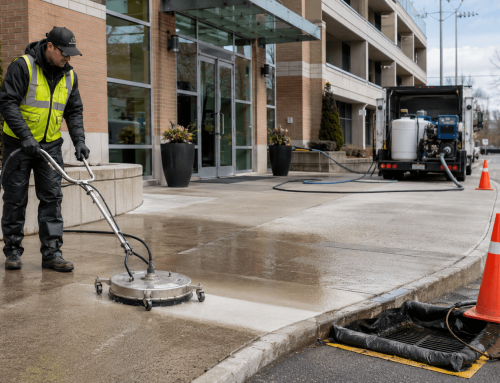
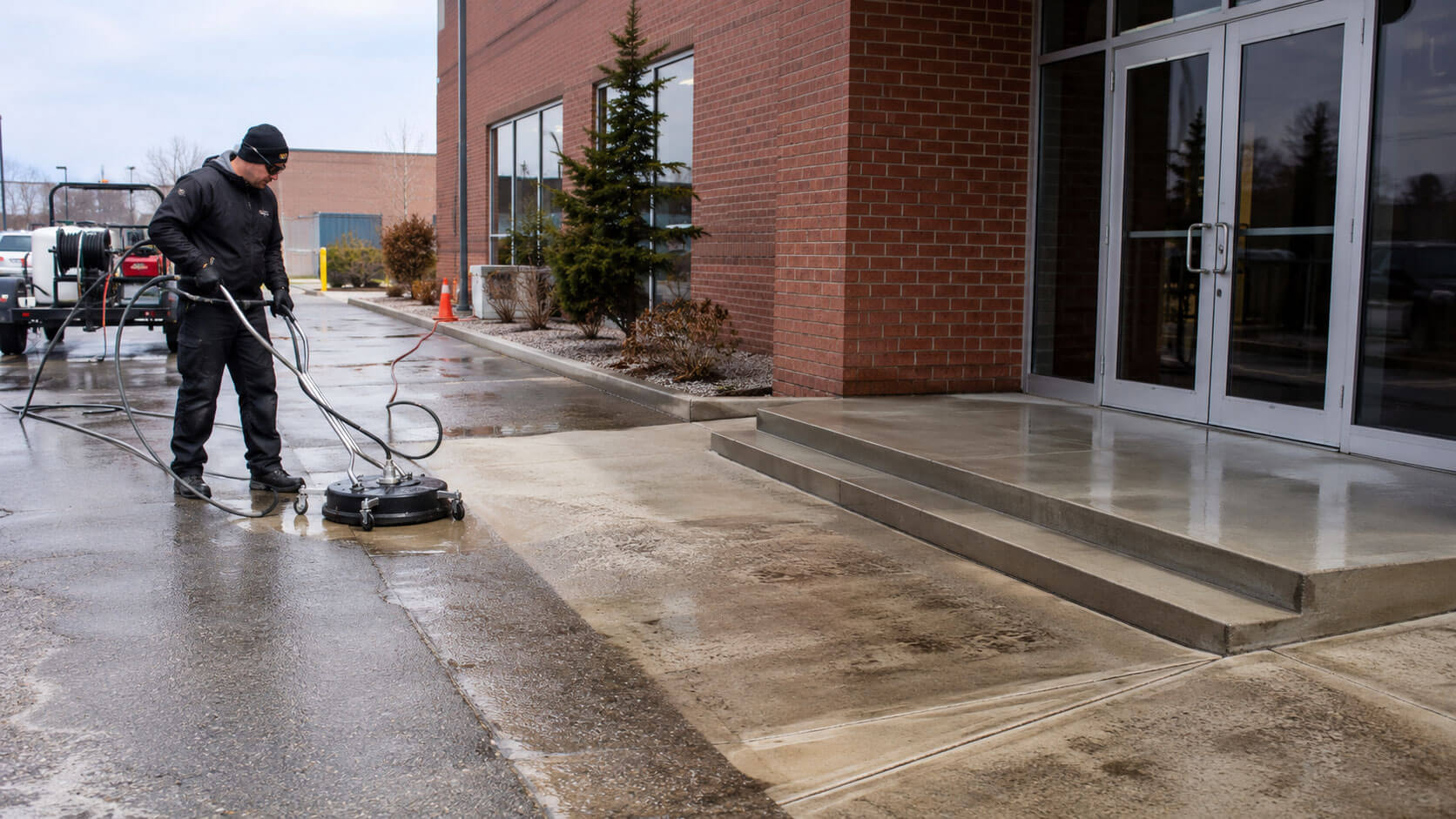
High GPM (3.5 – 5.0+): This represents professional-grade flow. Because high volume prevents dirt from “re-settling,” it allows for the use of large surface cleaners. Consequently, these machines can wash a four-car driveway in minutes rather than hours.
Why Professionals Prioritize Flow (GPM)
In the professional cleaning industry, Flow is King. Specifically, there are three reasons why:
-
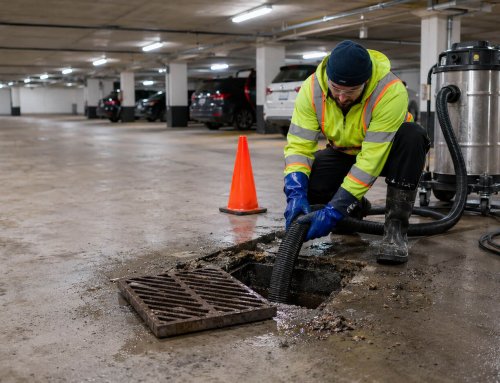
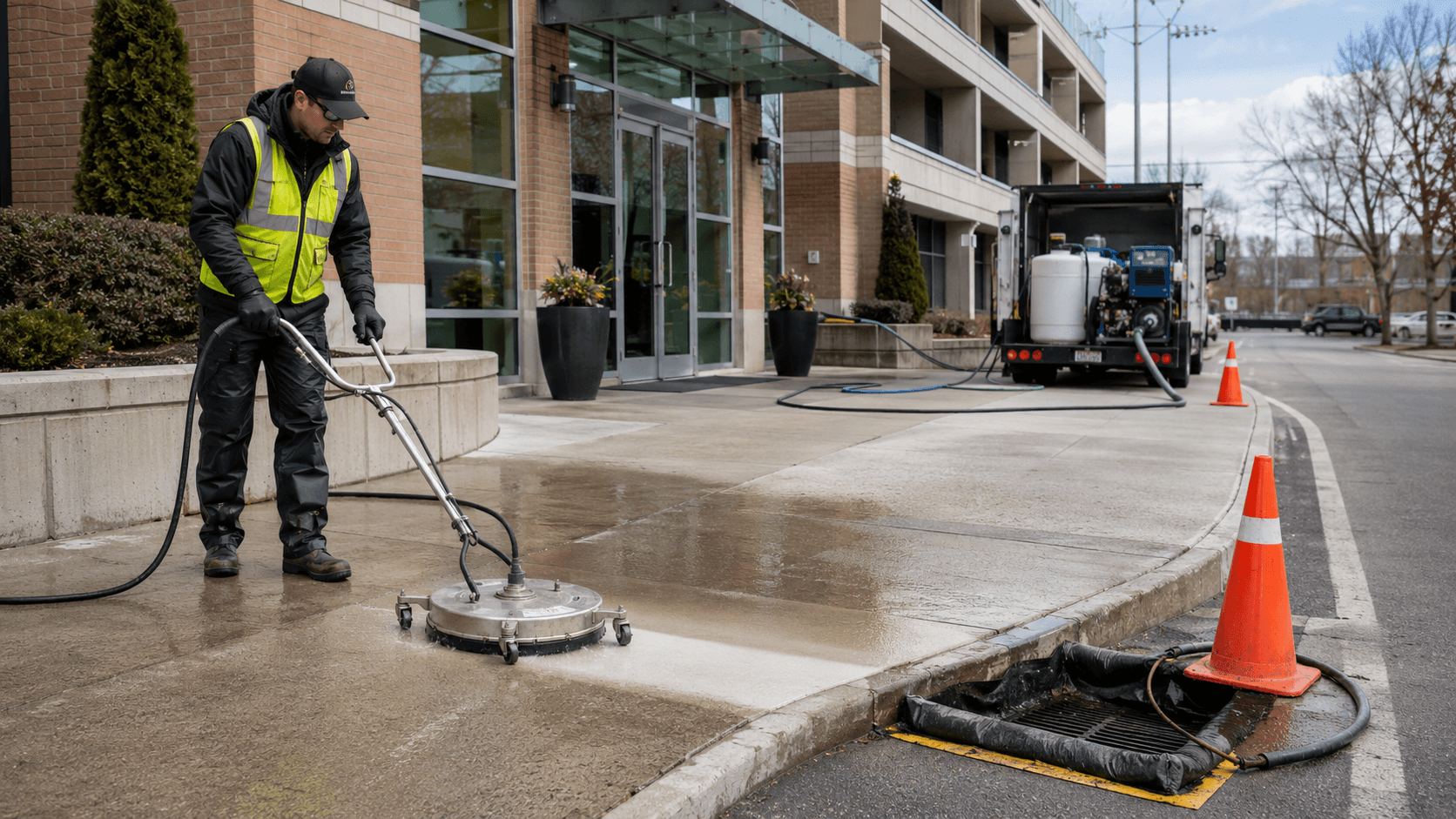
Speed of Rinse: On a large commercial parking lot, a low-flow machine just moves mud from one side to the other. Alternatively, high GPM creates a “wave” that flushes debris completely off the surface and into the drains.
-
Surface Safety: High PSI can actually be dangerous. For example, it can etch wood and crack old mortar. Therefore, a pro would rather use lower PSI and higher GPM to clean safely.
-
Chemical Draw: Most professional soap injectors require a certain amount of GPM to pull the cleaning solution into the line effectively. Without sufficient flow, the detergent won’t mix properly.
The “Cleaning Units” Formula
To truly compare two machines, pros use a simple formula called Cleaning Units (CU).
-
Machine A: 4,000 PSI at 2.0 GPM = 8,000 CU
-
Machine B: 3,000 PSI at 4.0 GPM = 12,000 CU
Even though Machine A has higher pressure, Machine B is 50% more effective at cleaning. This is because the higher water volume does more total work across the surface.
Which Balance is Right for You?
| Task | Recommended PSI | Recommended GPM | Why? |
| House Washing | 1,000 – 1,500 | 3.0+ | Low pressure protects siding; high flow flushes mold. |
| Concrete Driveway | 3,000 | 4.0+ | High pressure breaks oil bonds; high flow rinses pores. |
| Wood Decking | 800 – 1,200 | 2.5+ | High pressure will “fur” wood; flow does the cleaning. |
The Royal Wash Advantage: Pro-Grade Flow
Most DIY rental units are “high pressure, low flow.” As a result, they feel powerful but take much longer to finish the job. Furthermore, at Royal Wash, our professional setups prioritize high-volume flow.
We don’t just “blast” your property with high pressure that could cause damage. Instead, we use the right balance of GPM and specialized detergents to flush away years of buildup safely and efficiently.
Stop spending your entire weekend on the driveway. Call Royal Wash at 888-334-5550 for a fast, professional clean that looks better and lasts longer.